
Quick Summary:
Liposuction contours selected fat deposits; it is not a weight-loss treatment and does not reliably tighten substantial loose skin. Cost depends on which and how many areas are treated, procedure extent, anaesthesia, operating facility, surgeon, garments and follow-up. Larger treatment is not automatically better and can increase fluid, anaesthetic and clot-related risk. The responsible price is an itemised quote tied to a safe plan.
Area count alone does not define the operation; fat distribution, skin quality, total extent, anaesthesia and facility change planning and cost.
People searching for liposuction cost in Pakistan often see prices grouped by “one area,” “three areas” or a technology name. Those labels can be useful for advertising but do not describe the full clinical plan. A small chin treatment, circumferential trunk contouring and high-volume multi-area liposuction have different anaesthetic, fluid, facility and recovery demands even when each is called liposuction.
The first decision is whether liposuction matches the problem. It removes selected subcutaneous fat through small access incisions. It does not remove visceral fat around internal organs, cure obesity, repair muscle separation or reliably tighten a large amount of loose skin. A lower quote for the wrong operation is not good value.
What liposuction can—and cannot—treat
A suitable target is usually a localised fat deposit that remains out of proportion despite stable weight and has enough overlying skin elasticity to redrape. Commonly discussed areas include abdomen, flanks, hips, thighs, arms, back, chest and under the chin. Treating several adjacent areas may improve transitions, but it also increases total scope.
Liposuction is not a scale-weight operation. It does not treat metabolic disease or guarantee a particular clothing size. It may expose or worsen loose skin when elasticity is poor. For abdominal concerns, a surgeon should distinguish subcutaneous fat from skin excess, rectus separation, a hernia and visceral fat before recommending a cannula-based procedure.
What the surgeon should assess before quoting
- Exact areas and whether the goal is reduction, blending or definition.
- Fat thickness and distribution, including asymmetry.
- Skin quality, stretch marks, laxity and previous scars.
- Weight trend and whether substantial further loss is planned.
- Medical conditions, medicines, supplements, nicotine and anaesthesia history.
- Clot history, pregnancy history and prior abdominal or body surgery.
- Whether another procedure is needed or whether no surgery is preferable.
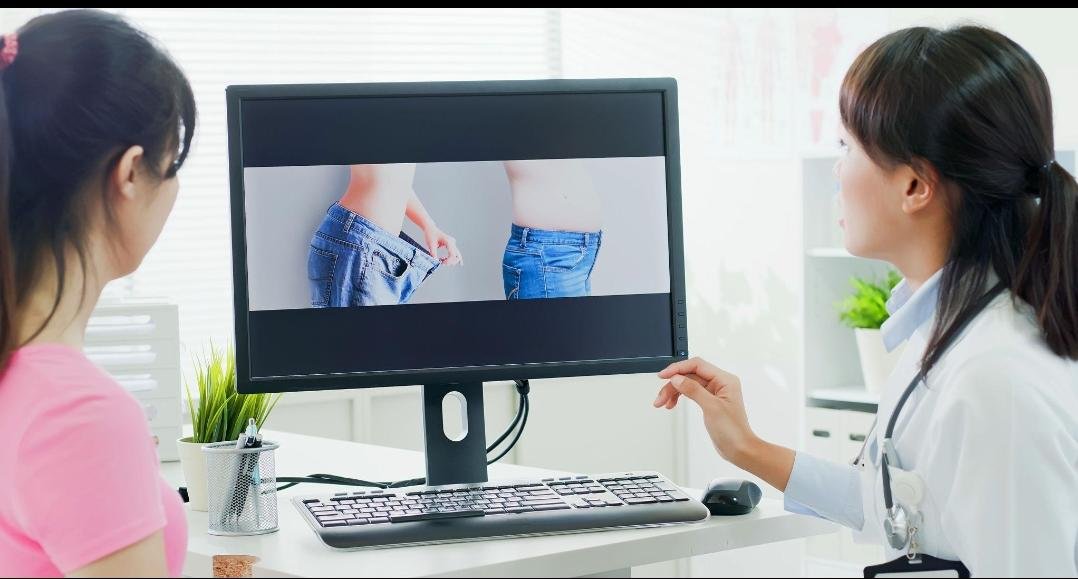
A photograph can support an initial conversation but cannot show fat depth, tissue quality, abdominal-wall findings or overall fitness. A quote based only on messaging should be labelled provisional until examination and facility planning are complete.
The main liposuction cost drivers
| Cost driver | What to ask | Why it matters |
|---|---|---|
| Areas and extent | Which exact zones and boundaries are included? | Larger or circumferential treatment takes more time and planning |
| Expected volume | Is this limited contouring or a larger-volume case? | Fluid shifts, monitoring and facility needs change with extent |
| Anaesthesia | Local, sedation or general—and who provides it? | Choice depends on procedure and health, not price alone |
| Facility | Where is surgery and what recovery/emergency support exists? | Theatre time, monitoring and admission affect cost and safety |
| Technique/equipment | What will the technology change in this case? | A branded device is not a substitute for selection and technique |
| Aftercare | Are garments, medicines and reviews included? | Recovery costs extend beyond operation day |
Surgeon experience and the complexity of contouring also influence the professional fee. Cost should never be used as a proxy for skill; verify PMDC registration and registered qualifications, ask about relevant experience and understand the facility and complication plan.
Does laser, ultrasound, power or “HD” make it better?
Assisted technologies change how fat is disrupted or removed, and some are useful for selected goals. They also introduce equipment, training and technique-specific risks such as thermal injury in energy-based methods. “Latest” does not mean appropriate for every body. Ask what measurable problem the device addresses, what evidence and experience support its use, and what it adds to the quote.
High-definition contouring aims to emphasise muscular landmarks and requires careful patient selection. It is not a shortcut to fitness and can look unnatural or irregular if applied without suitable anatomy. The quality of assessment, markings, technique and follow-up matters more than a machine name.
Anaesthesia and facility are part of the product
Limited treatment may be possible with local anaesthesia, sometimes with sedation, while larger or combined operations may use general anaesthesia. The choice should consider area, duration, position, patient health, anxiety, pain control and the capability of the facility. An anaesthesia fee omitted from an advert can make a package appear artificially low.
Ask who will provide anaesthesia, what monitoring is used, where recovery occurs and how transfer is arranged if higher-level care is needed. Special considerations apply as aspirate volume and procedure scope increase. A safer plan may limit or stage areas rather than maximise volume in one session.
What a complete written quote should include
- Named surgeon and exact treated areas.
- Technique and whether any skin-removal procedure is added.
- Hospital or theatre, expected duration and recovery or admission.
- Anaesthesia type and provider fee.
- Required tests or clearances.
- Compression garments, dressings and medicines.
- Number and period of included follow-ups.
- Policy for postponement, complications and requested revision.
No fixed liposuction price has been supplied by Dr. Saima. The only supplied fee is PKR 3,000 for consultation, subject to confirmation. This page therefore explains the quote rather than manufacturing a Pakistan-wide range that may omit essential care or become outdated.
Recovery, swelling and work
Compression garments are often used, and bruising, swelling, soreness, numbness and fluid drainage from small incisions can occur early. Gentle walking is commonly encouraged, but exercise, driving, lifting and manual work require personal clearance. More areas and combined surgery generally demand more recovery planning.
Final contour is not judged in the first week. Swelling can move and feel uneven, while tissue settles over weeks to months. Massage or lymphatic treatment should be used only if the surgical team recommends an appropriately trained provider; aggressive treatment can harm healing tissue.
Risks and urgent warning signs
ASPS lists anaesthesia complications, bruising, contour irregularity, persistent sensation change, injury to deeper structures, fluid accumulation, infection, pigmentation change, loose or rippled skin, poor healing, swelling, thermal injury with ultrasound-assisted methods, blood clots and cardiopulmonary complications among risks. Revision may be needed.
Chest pain, breathlessness, fainting, confusion, severe weakness or one-sided calf swelling requires urgent care. Rapid swelling, uncontrolled pain, fever, spreading redness, foul drainage, very low urine output or worsening illness needs prompt assessment. Do not wait for a routine clinic response when emergency symptoms are present.
Practical costs patients can miss
Budget for transport after anaesthesia, a responsible adult, accommodation if travelling, time away from paid work, childcare, garments and extra wound review. If multiple areas are treated, ordinary tasks such as sitting, bathing and sleeping may be more difficult than expected. Ask whether a companion must remain overnight.
For travel to Lahore, confirm how long to stay near the operating team and where a fluid collection, clot concern or wound issue could be examined at home. The cheapest flight schedule can become expensive if it conflicts with early follow-up.
A price should answer a clinical question
At the end of consultation, the patient should know what liposuction is expected to improve, what it will not fix, which areas and technique are proposed, why the facility and anaesthesia fit, what scars and risks apply and what the total quote includes. If skin removal or weight management better addresses the concern, that should be said clearly.
The best financial decision may be a smaller safe plan, staging, a different procedure or no operation. Do not let an area bundle decide the treatment before anatomy does.
Practice context supplied by Dr. Saima: Dr. Saima offers liposuction assessment in Lahore. The client has not supplied a fixed liposuction fee, preferred technology or universal recovery schedule. Client-supplied information lists a PKR 3,000 consultation fee, subject to confirmation; technique and cost must follow examination.
Frequently asked questions
How much does liposuction cost in Pakistan?
There is no safe universal price. The total changes with the number and size of areas, anticipated volume, operating time, surgeon, facility, anaesthesia, tests, garments, medicines and follow-up. Ask for a dated itemised quote after examination.
Is liposuction a treatment for obesity?
No. Liposuction removes selected subcutaneous fat for contouring; it is not a substitute for medical weight management, nutrition or exercise. A stable weight and realistic localised target are more useful than chasing a scale number through surgery.
How many areas can be treated in one operation?
There is no responsible universal number. Total aspirate, health, fluid management, anaesthesia, facility capability, duration and other procedures matter. Dividing treatment into stages can sometimes be the safer plan.
Does liposuction tighten loose skin?
Skin may retract to a degree when elasticity is good, but liposuction does not reliably remove substantial skin. It can reveal or worsen laxity in a poorly selected case. A tummy tuck or other excisional procedure may be discussed when skin excess is the main problem.
What anaesthesia is used for liposuction?
Local anaesthesia with sedation or general anaesthesia may be considered depending on areas, extent, health, technique, provider and facility. Anaesthesia should be selected clinically, not simply to reduce the advertised package price.
When can I see the final liposuction result?
Early swelling can hide contour, and tissues continue settling for weeks to months. Compression, activity and follow-up should follow the surgeon’s instructions. Weight change after healing can alter the result.
What are serious liposuction warning signs?
Chest pain, shortness of breath, fainting, confusion, severe weakness or one-sided calf swelling requires urgent care. Rapid swelling, uncontrolled pain, fever, spreading redness, drainage or reduced urine also needs prompt assessment.
Turn an online question into a personal surgical assessment
List the exact areas that concern you, weight stability, prior abdominal surgery, pregnancies, medicines, smoking or nicotine and clot history. Ask whether the problem is mainly fat, skin, muscle or a combination and whether liposuction can realistically address it.
Related reading and next steps
- Liposuction versus tummy tuck
- Tummy tuck cost in Pakistan
- Mommy makeover in Pakistan
- Liposuction service
- HD liposuction service
- View the transformation gallery
- About Dr. Saima Waris
- Planning treatment travel to Lahore
Sources and evidence
Medical and regulatory claims were checked against the following professional, government or peer-reviewed sources.
Consultations in Lahore
Two clinic locations, one practice team.
Call or WhatsApp before travelling to confirm the appropriate clinic and current appointment availability.

Medical reviewer
Dr. Saima Waris
MBBS · FCPS (Plastic Surgery) · PMDC 47804-P
Plastic and cosmetic surgeon in Lahore. Articles in this patient-education library are medically reviewed for clinical accuracy, limitations and patient safety.
View Dr. Saima’s profile