

Quick Summary:
Fat grafting moves a patient’s own fat from a donor area to a selected face, breast or body site. Liposuction harvests the tissue, it is processed, and small amounts are placed in planned layers. Some transferred fat establishes a blood supply and may remain long term; some is reabsorbed, so volume and symmetry can change and repeat treatment may be needed. It is still surgery, not a guaranteed permanent filler or a stem-cell treatment.
A fat-transfer plan includes two sites: the donor area that heals after liposuction and the recipient area where survival, contour and vascular safety matter.
Fat grafting sounds simple because the material comes from the patient’s own body. It is still a two-site operation with several variables: fat must be harvested without creating a donor deformity, processed, placed in small planned parcels and supplied by recipient blood vessels if it is to survive. Some transferred volume persists; some is absorbed or becomes firm.
The method can be useful in the face, breast and selected contour problems, but those areas do not share one risk profile. A safe discussion names the exact donor and recipient sites, realistic scale of change, uncertainty of retention and the possibility of repeat treatment.
How autologous fat grafting works
Fat is collected with liposuction through small incisions, commonly from the abdomen, flanks or thighs when those sites are suitable. It is then prepared to remove excess fluid, oil and unwanted material according to the surgeon’s technique. The processed fat is injected or placed in multiple small passes within selected tissue planes.
The recipient site must develop a blood supply to the grafted cells. Overfilling a poorly vascularised area does not guarantee more survival; it can contribute to necrosis, cysts, infection or irregularity. Technique, tissue quality, movement and health all affect healing.
Where may fat be transferred?
Facial uses may include selected cheek, temple, jawline, scar or under-eye volume problems. Breast uses may include modest augmentation, asymmetry or contour correction, with appropriate breast-health assessment. Other body contour applications are possible, but each site has different anatomical hazards and evidence.
Gluteal fat grafting deserves a separate, highly specific safety conversation because intramuscular or vascular placement can be fatal. A general fat-transfer page should never imply that risk is identical to a small facial graft. Ask Dr. Saima whether the requested recipient site is offered and which safety protocol applies.
How long do results last?
Early fullness includes swelling and does not equal the final retained volume. During the following weeks and months, swelling settles and some transferred fat is absorbed. Surviving fat may behave like other body fat and change with weight, ageing and hormones.
Published retention estimates vary by site, measurement method, technique and follow-up. Giving one percentage as a personal promise would be misleading. The useful question is the range of change Dr. Saima expects for this site and whether a second session would be acceptable if the first settles below the goal.
Different sites, different decisions
| Recipient area | Possible goal | Important limit or risk |
|---|---|---|
| Cheek or temple | Restore selected soft-tissue volume | Asymmetry, lumps and rare vascular injury |
| Under-eye region | Blend a hollow in selected anatomy | Thin tissue, irregularity, swelling and eye-area vascular risk |
| Breast | Modest volume or contour correction | Limited change, fat necrosis and future imaging findings |
| Scar or contour defect | Improve a depression or soft-tissue quality | Variable response and possible repeat sessions |
| Donor area | Supply graft while improving a selected contour | Not automatically a complete liposuction result; irregularity can occur |
Why this should not be sold as a stem-cell cure
Standard fat grafting transfers adipose tissue that contains several cell types. That does not make every procedure a proven “stem-cell treatment,” and it does not justify claims that it regenerates any disease or permanently reverses ageing. Additional cell isolation or manipulation raises separate evidence and regulatory questions.
Ask exactly what is being processed and injected. If a package adds “exosomes,” “stem cells” or another biological product, request the product identity, indication, regulatory status, evidence and adverse-event plan. Marketing language is not informed consent.
Special breast considerations
Breast fat grafting may provide a more modest change than an implant and avoids an implant device, but it still creates liposuction and injection scars and may require more than one session. It cannot guarantee a cup size or correct substantial sagging; a lift may be a different discussion.
Fat necrosis, oil cysts or calcifications can create lumps or imaging findings. Share screening and family history and follow recommended breast imaging. A new lump after surgery should be assessed rather than assumed to be harmless grafted fat.
Facial fat-grafting safety
Facial injection requires detailed knowledge of vessels and tissue planes. Reported complications include infection, prolonged swelling, asymmetry, contour irregularity, lumps, fat necrosis and under- or overcorrection. Rare intravascular injection can cause skin necrosis, visual loss, stroke or death.
Ask where the procedure occurs, who performs it and what urgent pathway exists for visual or neurological symptoms. Sudden eye pain, loss of vision, weakness, facial droop or speech difficulty requires emergency care immediately.
Recovery involves both donor and recipient areas
The donor area may bruise, swell, drain briefly from access sites and need compression. The recipient area can look fuller or uneven while swelling settles. Facial bruising may affect public-facing work even when the patient feels physically well.
Do not massage, apply heat or compress a graft unless instructed; those actions may be appropriate in one site and harmful in another. Work, travel, exercise and garment advice depend on the harvest extent and recipient area. Schedule early review before leaving Lahore.
Risks and realistic consent
General risks include anaesthesia problems, bleeding, infection, fluid collection, donor irregularity, numbness, scarring, fat necrosis, cysts, calcification, asymmetry, unpredictable retention, embolic events, clots and further treatment. Nicotine can impair healing and should be disclosed in every form.
Consent should distinguish expected swelling from warning signs. Fever, spreading redness, foul drainage, severe escalating pain, a new breast lump or dark skin needs prompt assessment. Chest pain, breathlessness, visual or neurological symptoms are emergencies.
What changes fat-grafting cost in Pakistan?
No single fee was supplied. Cost changes with donor area, recipient area, amount harvested, procedure duration, facility, anaesthesia, imaging or tests, garments, medicines and follow-up. A small facial transfer is not the same operation as breast or multi-area contouring.
Ask whether the quote includes donor-area liposuction, compression, scheduled reviews and any planned second session. A repeat procedure should not be promised or sold before the first result has settled. The client-supplied consultation fee is PKR 3,000, subject to confirmation.
Seven decisions to settle before treatment
- What exact problem will transferred fat address?
- Which donor area is safe, and what contour change is realistic there?
- What volume range can the recipient site safely accept?
- How variable is retention, and when will the result be judged?
- What site-specific vascular, breast or contour risks apply?
- How would a second session be decided and priced?
- What symptoms require same-day or emergency care?
“Natural” describes the source of the material, not the absence of risk. A good fat-grafting plan is conservative about volume, transparent about uncertainty and equally attentive to the donor and recipient sites.
Practice context supplied by Dr. Saima: Dr. Saima offers fat-grafting assessment in Lahore, with site-specific service pages for facial and other transfer uses. The client has not supplied a standard retention percentage, volume, number of sessions, recovery promise or operation fee. Those details must follow examination; the supplied consultation fee is PKR 3,000, subject to confirmation.
Frequently asked questions
Is fat grafting permanent?
Some surviving fat may remain long term, but early swelling settles and some grafted volume is reabsorbed. Weight change and ageing affect the retained tissue. No responsible clinician should guarantee a percentage or permanent symmetry before treatment.
Where can fat be transferred?
Selected uses include facial volume restoration, breast contour or modest augmentation, scar or contour correction and certain body areas. The safety profile and evidence are different by site; a technique appropriate in the cheek is not automatically appropriate elsewhere.
Is fat transfer the same as stem-cell treatment?
No. Standard autologous fat grafting transfers processed fat tissue. It should not be marketed as a proven stem-cell cure or regenerative treatment. Any added cell processing, product or claim requires separate evidence and regulatory review.
How much larger can breasts become with fat grafting?
The change is generally limited by donor supply, recipient capacity, blood supply, skin and safety. A guaranteed cup size is not realistic, and more than one session may be discussed. Breast imaging history and the effect of fat necrosis on future evaluation also matter.
What are the risks of facial fat grafting?
Risks include infection, asymmetry, lumps, fat necrosis, oil cysts, under- or overcorrection and contour irregularity. Rare intravascular injection can cause tissue loss, blindness, stroke or death, so anatomy, technique and urgent response planning are critical.
Will the donor area look like a full liposuction result?
Not necessarily. Harvest may be limited by the volume needed and by safe contouring. The donor site can still develop bruising, swelling, numbness, irregularity or asymmetry. Discuss both the donor and recipient goals in the written plan.
How much does fat grafting cost in Pakistan?
There is no universal price because face, breast, scar and body transfers are different operations. Cost changes with donor and recipient areas, volume, facility, anaesthesia, processing, imaging or tests and follow-up. Obtain an itemised quote after examination.
Turn an online question into a personal surgical assessment
State the area you want to change, previous fillers or surgery, weight stability, breast screening where relevant, donor-area concerns, nicotine, medicines and any clotting history. Ask how much change is realistic in one session, what overcorrection or asymmetry may occur, and which complications require urgent review.
Related reading and next steps
- Under-eye hollows: fat grafting, PRP or filler
- Eyebrow lift and facial fat-grafting recovery
- Breast lift versus implants
- Fat grafting service
- Additional fat grafting service information
- View the transformation gallery
- About Dr. Saima Waris
- Planning treatment travel to Lahore
Sources and evidence
Medical and regulatory claims were checked against the following professional, government or peer-reviewed sources.
Consultations in Lahore
Two clinic locations, one practice team.
Call or WhatsApp before travelling to confirm the appropriate clinic and current appointment availability.
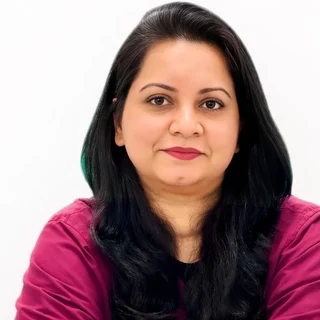
Medical reviewer
Dr. Saima Waris
MBBS · FCPS (Plastic Surgery) · PMDC 47804-P
Plastic and cosmetic surgeon in Lahore. Articles in this patient-education library are medically reviewed for clinical accuracy, limitations and patient safety.
View Dr. Saima’s profile