
Quick Summary:
Do not begin with a non-refundable ticket. Begin with a preliminary clinical discussion, current records and a written list of what must happen in person. If surgery is considered, confirm the named facility, anaesthesia, tests, companion needs, flexible accommodation near the treating team, early reviews, emergency contact and the milestone for return travel. The correct stay depends on the actual procedure, health, mobility and recovery—not the distance from Karachi, Islamabad, Multan or another city.
Safe treatment travel connects clinical assessment, flexible logistics, local support, scheduled follow-up and written clearance before the return journey.
Patients travel to Lahore from Karachi, Islamabad, Rawalpindi, Multan, Faisalabad, Peshawar, Quetta and smaller cities because a preferred surgeon, procedure or support network may be there. Domestic travel avoids international-border issues, but it does not remove the clinical problems of distance: early complications, prolonged sitting, missed reviews and unclear responsibility after returning home.
The safest trip is built around the treatment pathway rather than fitting surgery between fixed tickets. Start with a preliminary discussion, identify what must happen in person and keep travel and accommodation changeable until the surgeon has examined you and the sequence is confirmed.
Do not treat a chat as a confirmed operation
A clinic may review goals, history, photographs and records before travel. That can prevent an unnecessary trip or identify tests and specialist input. It may also produce a preliminary option or price range. It cannot guarantee that examination, anaesthetic assessment or new findings will support the expected surgery.
Ask whether the first visit is consultation only, whether tests can be completed near home, and how long results remain valid. If surgery is tentatively held, confirm what could postpone it, the deposit policy and whether a different procedure would require fresh consent and pricing.
Prepare a portable medical record
Bring a current medicine and supplement list with doses, allergies, significant illnesses, previous operations and anaesthetic problems. Include relevant laboratory reports, imaging, discharge summaries, implant or device cards and prior operative notes when available. For rhinoplasty, old photographs and airway history may help; for breast surgery, screening and implant records may matter; for hair loss, a timeline and previous treatment can be useful.
Do not stop prescribed medicines, contraception or blood-thinning treatment because a generic checklist says so. The surgeon and anaesthesia team should give individual instructions. Keep digital and printed access to essential records in case another Lahore clinician must see you.
Map the sequence before choosing dates
| Stage | What to confirm | Why flexibility matters |
|---|---|---|
| Preliminary review | Goals, records, likely options and in-person requirements | The trip may not lead to surgery |
| In-person consultation | Examination, measurements, alternatives and consent | The procedure or scope can change |
| Tests and anaesthesia | Required results and medical clearance | Health findings can postpone treatment |
| Procedure | Facility, team, admission and discharge plan | Recovery is not controlled by a ticket |
| Early reviews | Dressings, drains, splints, wounds and mobility | A finding may extend the local stay |
| Return | Mode-specific clearance and local follow-up | Long travel may not match work readiness |
Choose the companion for a clinical role
A companion may need to receive discharge instructions, drive or arrange transport, help with medicines and meals, observe bleeding or swelling and contact the team. The role is different after a hair transplant compared with a tummy tuck or combined breast and body operation. Ask how long a responsible adult is required.
The companion should understand that urgent symptoms are not handled by waiting for the next routine review. If the person must return home early, arrange another adult or reconsider timing. Children should not be the primary postoperative caregiver.
Select accommodation for recovery, not sightseeing
Confirm whether early reviews occur at the operating facility or a consultation clinic, because they may not be in the same area. Consider travel time, stairs or lift access, a usable bathroom, clean bedding, reliable water and power, food, space for a caregiver and the ability to extend. A low-cost booking far from the treating team may create repeated difficult journeys.
Do not plan shopping, events or intercity visits immediately after surgery. Recovery may include swelling, drains, dressings, fatigue or movement restrictions. The room should support the written plan and allow prompt transport if an examination is needed.
Plan safe local transport
A discharged patient may not be able to drive and can be affected by anaesthesia or pain medicine. Arrange a vehicle that is easy to enter, has enough space for the required position and can avoid unnecessary delays. Motorbike travel may be inappropriate because of balance, dust, pressure, vibration or helmet concerns.
Share the facility and accommodation addresses with the companion. Keep clinic and emergency contacts available without relying on one phone battery. Ask which symptoms require returning to the surgical team and which require the nearest emergency department.
Early follow-up is part of the procedure
Splints, packs, dressings, drains, graft checks, wound review and mobility assessment occur on different schedules. Do not assume they can all be completed remotely. Before surgery, receive the expected review dates and a description of what must be clinically satisfactory before leaving Lahore.
Remote photographs may help after returning home, but a two-dimensional image cannot measure every swelling, fluid collection, blood-flow problem or clot. Ask whether Dr. Saima will coordinate with a clinician in your city and which records will be shared if in-person care is needed.
Long journeys and recent surgery need individual clot planning
The CDC notes that long journeys over about four hours by air, car, bus or train can contribute to blood-clot risk, and recent surgery is an additional risk factor. Pregnancy or postpartum status, estrogen use, previous clots, obesity, cancer, limited mobility and other health conditions can add risk. This does not produce one universal travel ban or medication plan.
Discuss timing, mobility, hydration, compression and any medication with the treating team. Do not start aspirin or an anticoagulant from online advice because it can increase bleeding and may be inappropriate. Chest pain, sudden breathlessness, coughing blood, fainting or new one-sided leg swelling needs urgent emergency assessment.
Return mode matters
A short private-car journey with planned stops is different from an overnight bus, long train route or flight with baggage and security queues. Road vibration, inability to change position, bathroom access, crowd exposure, carrying luggage and distance from medical care may influence the plan. Flying also adds airport walking, cabin logistics and restrictions from the carrier.
Ask for clearance for the actual route, not simply “travel.” The patient should not drive while impaired, lift luggage beyond restrictions or assume a wheelchair service solves clinical risk. Keep tickets changeable until after the relevant review.
Budget for the whole care pathway
In addition to the itemised clinical quote, budget for consultation, tests, flexible fares, accommodation, local transport, companion expenses, meals, medicines or garments if excluded, time away from work and possible extension or return review. A low procedure price can become a high total if aftercare requires another trip.
The client-supplied consultation fee is PKR 3,000, subject to confirmation. No operation or travel package fee is provided. Ask what happens to the deposit if examination or tests change the plan and keep an emergency reserve rather than spending the entire budget on surgery.
Different cities create different logistical questions
A patient from nearby Faisalabad or Multan may have a shorter road journey but should not use distance to justify leaving before review. A Karachi or Quetta patient may face a flight or long surface journey and greater difficulty returning quickly. Islamabad and Rawalpindi patients still need a plan for prolonged sitting and after-hours arrival. People from northern areas may also face weather and route uncertainty.
These examples do not require separate duplicate pages or fixed itineraries. The same clinical framework applies across Pakistan: personal risk, procedure, review milestones, travel mode and access to care.
Before leaving Lahore
- Receive the operation, anaesthesia and implant or device record where relevant.
- Understand medicines, wound care, bathing, garments and activity limits.
- Know which symptom needs same-day contact and which needs emergency care.
- Confirm the next review and how remote photographs are sent securely.
- Obtain clearance for the actual car, bus, train or flight journey.
- Know who will accompany you and who can help at home.
- Keep contact details, records and a local-care plan accessible.
A well-planned trip may still need to change. Flexibility is not wasted cost; it is part of making the clinical plan more important than the itinerary.
Practice context supplied by Dr. Saima: Dr. Saima consults in Lahore, and the client supplied two clinic locations with limited weekly hours that must be reconfirmed at booking. The client has not supplied one travel or accommodation package, universal number of nights or guarantee that a procedure will occur on the first trip. Clinical suitability, facility, anaesthesia and follow-up must be confirmed before travel is treated as a surgical booking.
Frequently asked questions
Can surgery be confirmed before I travel to Lahore?
A preliminary consultation may identify likely options and required records, but final suitability can depend on in-person examination, tests and anaesthetic assessment. Do not assume that sending photographs confirms an operation or buy a fixed return ticket until the clinical sequence is clear.
Should someone travel with me for plastic surgery?
Many operations require a responsible adult for discharge, transport, the first night or longer support. The need depends on anaesthesia, procedure, mobility and health. Ask the treating team to state the companion’s role and duration before choosing accommodation.
Where should I stay in Lahore?
Choose clean, accessible accommodation with reliable transport and enough flexibility to extend. Proximity should be judged against the operating facility and early review location, not only the consultation clinic. Stairs, bathroom access, food, power and caregiver space can matter after body surgery.
Can I return by car, bus, train or plane immediately after surgery?
Not automatically. Long immobility, pain medicines, dressings, swelling and early complication risk affect travel. Recent surgery is also a blood-clot risk factor. The surgeon and anaesthesia team should clear the mode and timing for your personal risk profile.
What records should I send before travelling?
Send only through the clinic’s approved process. Commonly useful information includes goals, medical conditions, medicines and supplements, allergies, nicotine use, previous surgery, relevant reports and clear photographs when requested. Bring originals or accessible copies and a current medicines list.
What if a complication starts after I return home?
Before leaving Lahore, obtain written warning signs, clinic contact details and a plan for in-person assessment. Remote images can help triage but do not replace examination when there is heavy bleeding, spreading redness, fever, worsening pain, breathing difficulty, chest pain or another urgent concern.
How much should I budget beyond the procedure quote?
Include consultation, tests, transport, flexible accommodation, companion costs, meals, time away from work, garments or medicines if excluded, and possible return visits. Ask for a current itemised clinical quote; the client-supplied consultation fee is PKR 3,000, subject to confirmation.
Turn an online question into a personal surgical assessment
Tell the clinic your home city, intended procedure, health conditions, medicines, previous operations and whether a responsible adult can travel with you. Ask for the sequence of consultation, tests, surgery and reviews; the earliest changeable return date; a local emergency number; and how concerns will be assessed after you return home.
Related reading and next steps
- How long to stay in Lahore after plastic surgery
- Online consultation before travelling
- Plastic surgery cost in Pakistan
- Pakistan patient-travel hub
- Explore plastic surgery services
- View Dr. Saima’s transformation gallery
- Contact the Lahore clinics
- About Dr. Saima Waris
- Planning treatment travel to Lahore
Sources and evidence
Medical and regulatory claims were checked against the following professional, government or peer-reviewed sources.
Consultations in Lahore
Two clinic locations, one practice team.
Call or WhatsApp before travelling to confirm the appropriate clinic and current appointment availability.
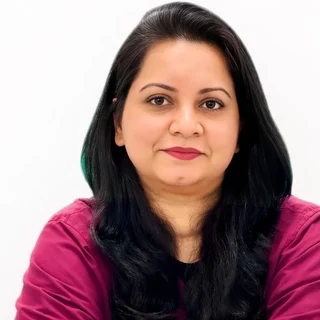
Medical reviewer
Dr. Saima Waris
MBBS · FCPS (Plastic Surgery) · PMDC 47804-P
Plastic and cosmetic surgeon in Lahore. Articles in this patient-education library are medically reviewed for clinical accuracy, limitations and patient safety.
View Dr. Saima’s profile