
Quick Summary
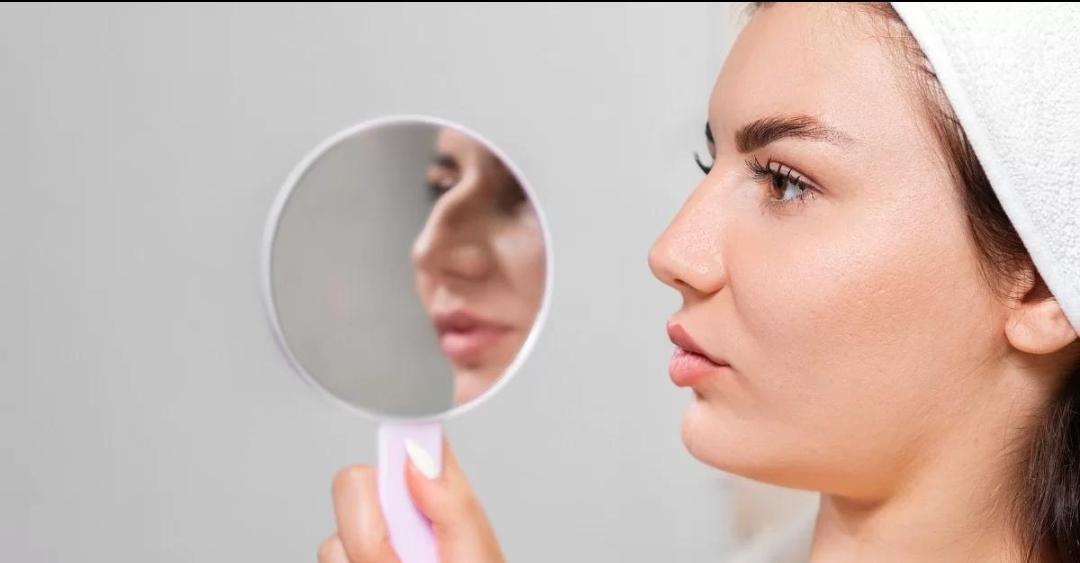
Rhinoplasty may alter nasal size, profile, tip, nostril shape or asymmetry, and some operations also address structural breathing problems. A consultation should identify the exact concern, assess nasal and facial anatomy, review health factors and compare the likely benefit with risks and recovery.

Medically reviewed by Dr. Saima Waris
Plastic & Cosmetic Surgeon in Lahore · MBBS · FCPS (Plastic Surgery) · PMDC 47804-P
Overview
What is rhinoplasty?
Rhinoplasty is an operation that changes the shape or size of the nose. People may consider it because of a feature they have long wanted to change, because of asymmetry or previous injury, or because structural issues affect breathing. Cosmetic and functional goals can overlap, but they are not the same question, and both should be discussed explicitly during assessment.
The nose sits at the centre of the face, so even a technically small change can alter overall facial balance. That makes proportion more useful than pursuing an isolated “ideal” nose. The aim of consultation is to understand which specific features concern you and whether changing them is anatomically reasonable without promising perfect symmetry or a copied result from another person.
Concerns it may address
What can nose surgery change?
Rhinoplasty planning can consider the relationship of nasal size to the face, the width or contour of the bridge, a visible hump or depression, the shape or projection of the tip, nostril size or position, and certain forms of asymmetry. When breathing is part of the concern, the internal nasal structures also need appropriate evaluation rather than treating appearance in isolation.
Not every concern requires the same type or extent of surgery. The changes that are technically possible are influenced by bone and cartilage structure, skin thickness, previous surgery or trauma, scar tissue and the need to maintain support and function.
Suitability
Who may be suitable—and who may need to wait?
A responsible assessment looks beyond whether someone dislikes the appearance of their nose. General considerations include physical health, complete facial growth, smoking status, previous nasal surgery or injury, medications, medical conditions and whether goals are specific and realistic. The reason for wanting surgery also matters: the decision should be your own rather than pressure to match somebody else’s expectations.
Surgery may be postponed or may not be recommended when health risks are not adequately controlled, expectations cannot reasonably be met, or the timing is unsuitable for safe recovery. Sometimes the most useful outcome of consultation is a decision not to proceed.
Assessment
What should happen during a rhinoplasty consultation?
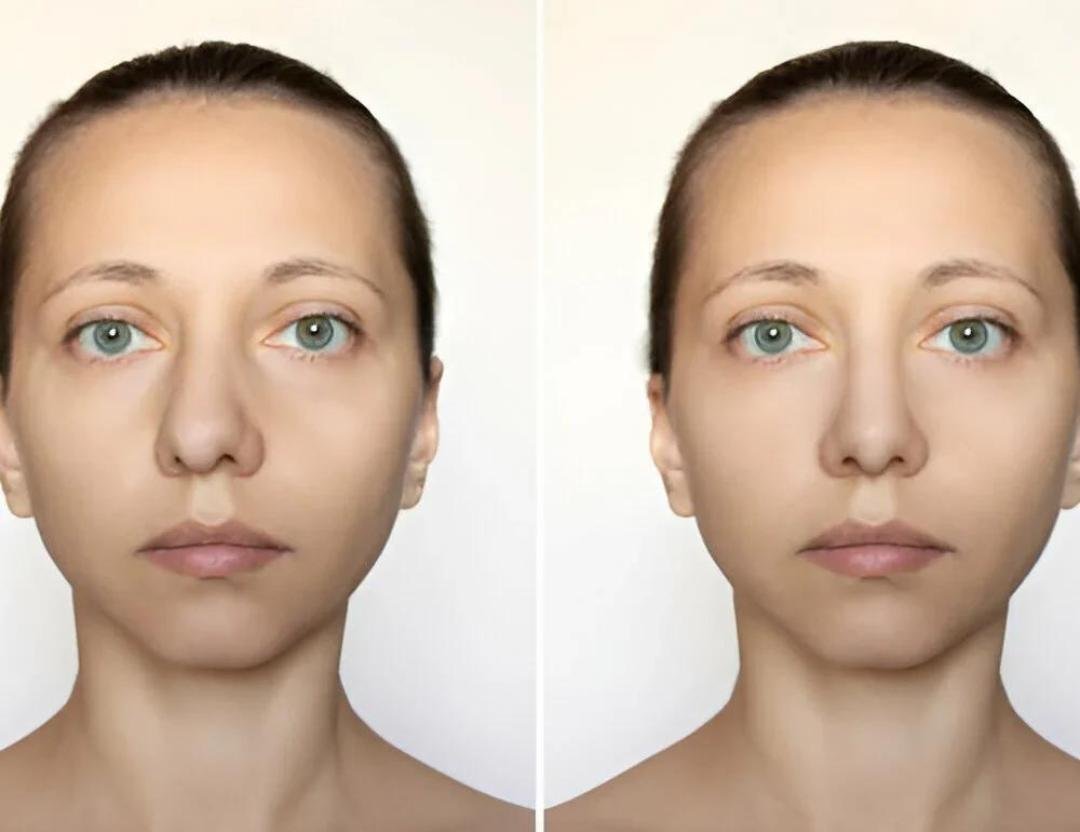
Expect to discuss both appearance and breathing goals, relevant medical conditions, allergies, current medicines and supplements, tobacco or nicotine use, previous procedures and previous nasal injury. Examination may include facial and nasal measurements and clinical photographs. The conversation should then connect the findings to realistic options and the material risks of surgery.
Useful questions include: what exactly would you propose changing; what will remain unchanged; could the plan affect breathing; what scars or swelling should I expect; what type of support will I need during recovery; how are complications or dissatisfaction handled; and what would make you advise against surgery in my case?
Technique
Open, closed and structural decisions are individual.
Rhinoplasty can be performed through incisions inside the nostrils, through an approach that also uses a small external incision between the nostrils, or with other procedure-specific variations. Bone, cartilage and soft tissue may be reshaped or supported depending on the goal. The appropriate approach cannot be selected responsibly from a generic web page because it depends on anatomy, the degree of access required and the changes being planned.
The operative approach is selected after examination and depends on nasal anatomy, function, prior surgery, the degree of change required and the safest way to preserve structural support.
Expectations
Benefits, limitations and uncertainty
A well-planned rhinoplasty can change proportions and specific nasal features, and functional surgery may improve a structural cause of obstruction where that diagnosis and treatment are appropriate. However, surgery cannot guarantee perfect symmetry, copy another person’s nose, make all swelling disappear quickly or ensure that every patient is satisfied with every detail.
Early appearance is not the final appearance. Swelling can change gradually for many months, and the nasal tip can take particularly long to refine. That is why comparisons made very early in recovery can be misleading and why long-term follow-up matters.
Preparation
Preparing safely starts with your medical history.
Before surgery, your team needs an accurate list of medicines, supplements, allergies, previous operations and relevant health conditions. Smoking and nicotine can affect healing and should be discussed honestly. Do not stop prescribed medicines or start supplements because of a generic internet checklist; medication decisions should come from the clinicians responsible for your care.
Practical preparation can include arranging transport, help at home, time away from work or study, and a comfortable recovery area. Patients travelling to Lahore should also plan enough local time for the required reviews rather than assuming they can travel immediately after surgery.
Procedure day
What happens on the day?
The exact anaesthetic, facility, duration, operative steps and discharge plan depend on the operation and the patient. Those details must come from the approved surgical plan rather than a generic promise on this page. Before proceeding, you should know where the operation will take place, who is responsible for anaesthesia where applicable, what consent covers, and what follow-up arrangements are in place.
Recovery
Think in phases, not a single “downtime” number.
A splint, dressing or internal support may be used depending on the operation. Swelling and bruising are expected after many rhinoplasty procedures, and temporary nasal blockage can occur. Initial healing is measured in weeks, while refinement of the final contour can continue for many months and, in some cases, around a year.
Return to work, exercise, glasses, travel and contact sport should follow your individual instructions. The safest timeline is the one based on your procedure and healing—not the fastest timeline found online. Your surgical team should also explain which symptoms require an earlier review.
Safety
What risks should be discussed?
Rhinoplasty has general surgical and procedure-specific risks. Material risks described in established patient guidance include anaesthesia complications, bleeding, infection, altered sensation, scarring or poor wound healing, skin colour changes and swelling, breathing difficulty, septal perforation, an unsatisfactory appearance and the possibility of revision surgery. Other risks can apply depending on the individual operation.
- Bleeding or infection
- Anaesthesia-related complications
- Breathing difficulty
- Altered sensation
- Poor healing or scarring
- Persistent swelling or skin change
- Unsatisfactory appearance
- Possible revision surgery
This list is not a substitute for the consent discussion for your particular operation. Ask what complications are most relevant in your case and how they would be managed.
Alternatives
Surgery is not the only possible decision.
Alternatives depend on the concern. For some people, choosing no treatment is entirely reasonable. Certain appearance concerns may have temporary non-surgical approaches, but they do not reproduce the structural changes of rhinoplasty and carry their own risks. Breathing problems require diagnosis of the cause rather than assuming cosmetic treatment will solve them.
A useful consultation should explain why an alternative is or is not appropriate, rather than presenting it simply as an easier version of surgery.
Cost factors
Why a responsible surgical price is not one generic number
Cost can vary with the complexity of the surgical plan, facility and anaesthesia requirements, investigations, consumables and follow-up arrangements. A surgical quote is given after assessment because the plan can vary in complexity, facility and anaesthesia requirements. The consultation fee is PKR 3,000; procedure pricing is discussed after evaluation.
Transformations
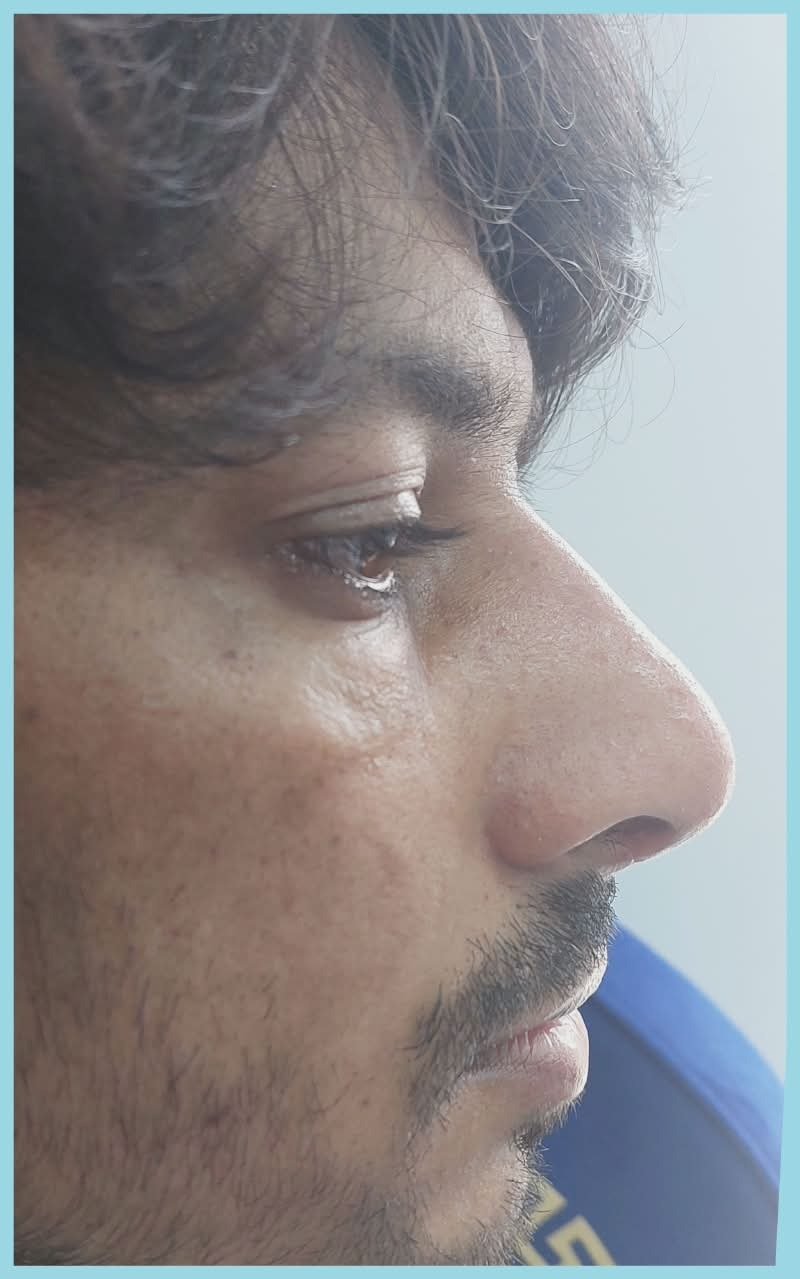
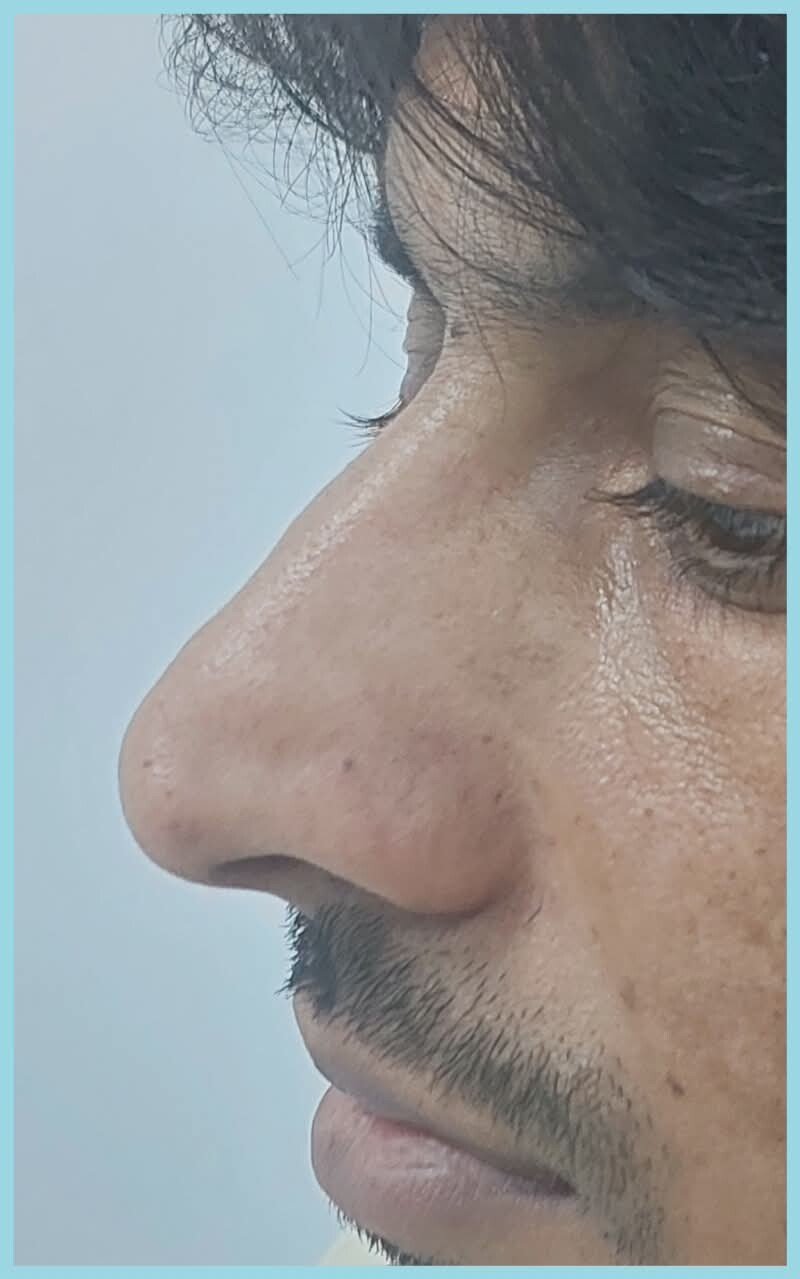
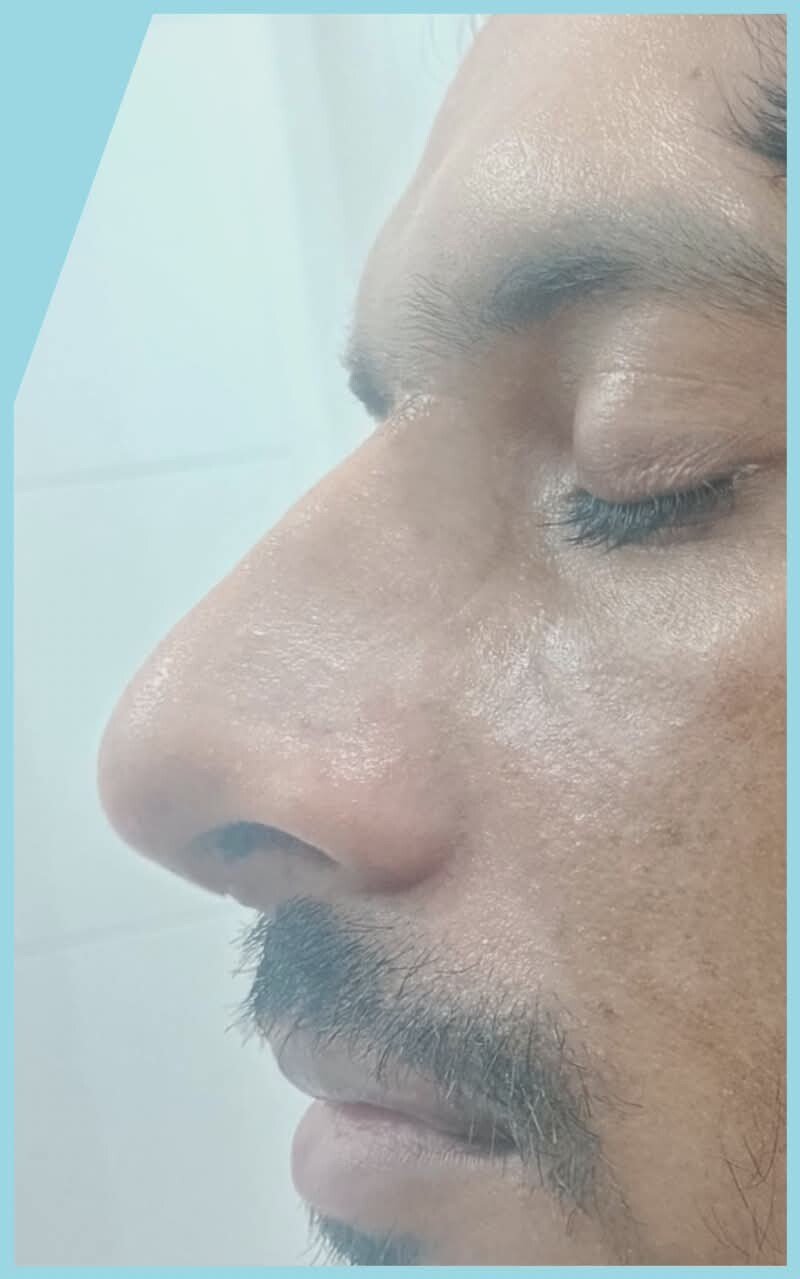
Compare real rhinoplasty cases with context.
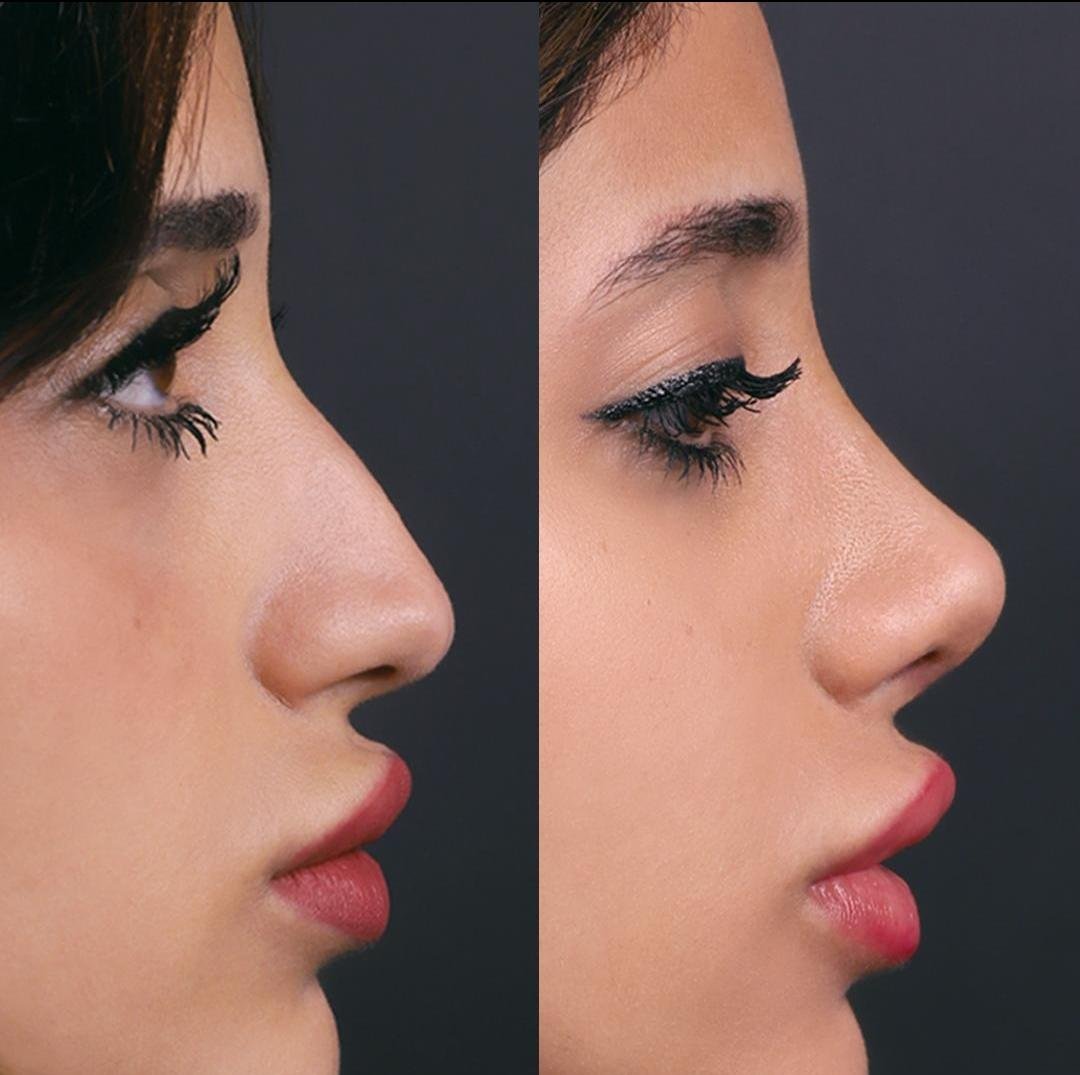
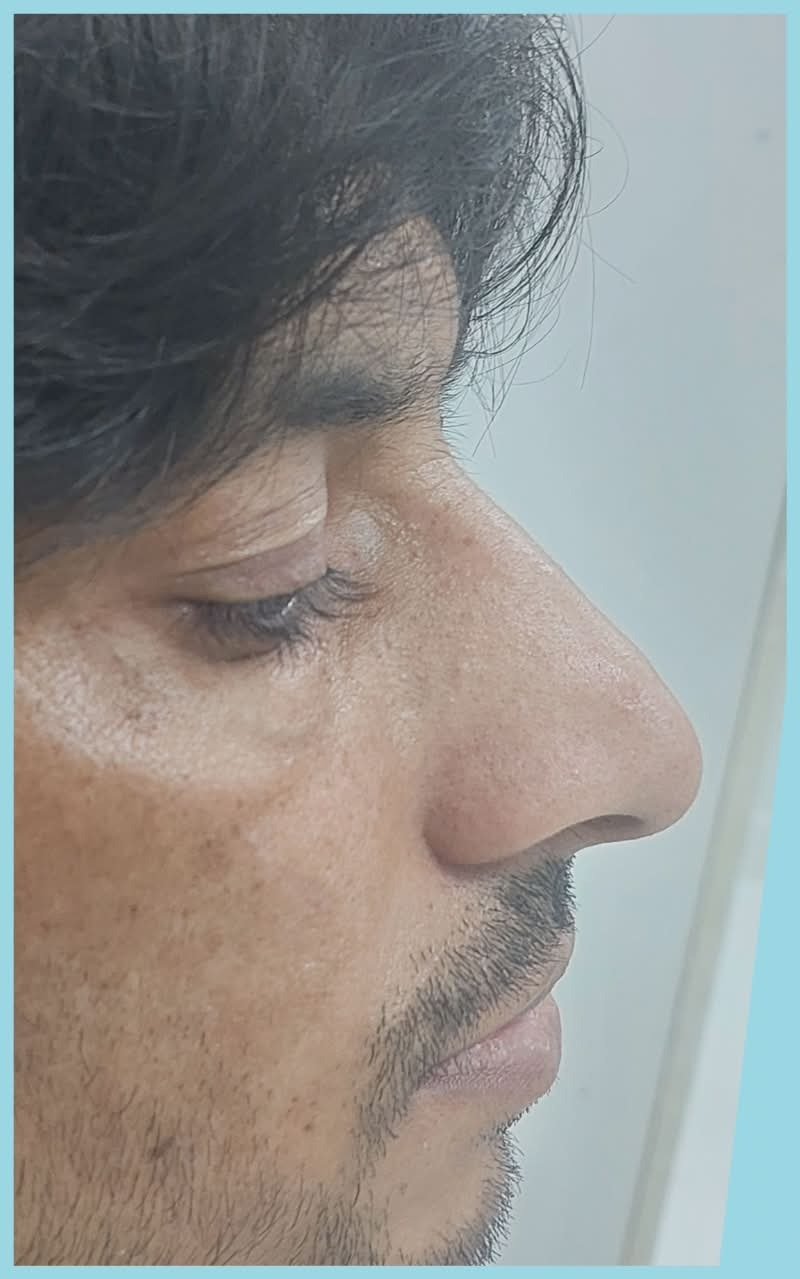
These before-and-after examples illustrate the range of changes that may be discussed in rhinoplasty planning. Individual anatomy and healing differ, so another patient’s result cannot predict yours.
Lahore & travel
Travelling for rhinoplasty needs a follow-up plan.
If you are coming to Lahore from another city, ask how many in-person reviews are normally needed for the proposed operation, when dressings or a splint are expected to be reviewed, how long you should remain nearby, what help you may need, and when travel is considered appropriate. Build your itinerary around the clinical plan, not the other way round.
Consultation locations
See Dr. Saima in Lahore.
Cosmetic Surgical Institute & Clinic
158-A Shah Jamal Rd, Fazlia Colony, Lahore 54000
Monday & Friday · 5:00 PM–7:00 PMGet directionsPink Perfect Clinic
439, Commercial Block J, EME Sector, DHA Phase 12, Lahore 53710
Tuesday, Wednesday & Thursday · 7:00 PM–9:00 PMGet directionsPKR 3,000 · Cash and bank transfer · Same-day / urgent consultations may be available, subject to availability.
FAQs
Questions patients often ask before rhinoplasty
Can rhinoplasty make my nose perfectly symmetrical?
Perfect symmetry is not a realistic guarantee. Faces and noses naturally have some asymmetry. The goal is usually improved balance while respecting anatomy and function.
When will I see the final result?
You can see change before healing is complete, but swelling refines gradually. Established plastic-surgery guidance notes that final contour can continue to refine for many months and may take around a year.
Will I have a visible scar?
Scar location depends on the operative approach. Some approaches use incisions inside the nostrils; others may include a small external incision. Your surgeon should explain the proposed incision pattern for your operation.
Can nose surgery help breathing?
Some structural nasal surgery can address causes of obstruction, but breathing symptoms first need appropriate evaluation. A cosmetic goal and a functional diagnosis should not be treated as interchangeable.
How much time should I take off work?
There is no single safe number for everyone. General patient guidance often describes an early recovery period of roughly one to two weeks, but the plan should reflect your procedure, job, healing and surgeon’s instructions.
Is rhinoplasty permanent?
The structural changes are intended to be long-lasting, while normal ageing and tissue changes continue over time. Revision can sometimes be required if healing, function or appearance does not develop as intended.
How much does rhinoplasty cost in Lahore?
A responsible quote depends on the individual surgical plan and associated facility, anaesthesia and follow-up requirements. The consultation fee is PKR 3,000. A procedure quote is provided after assessment because surgical complexity, facility and anaesthesia requirements can differ.
What should I bring to my consultation?
Bring an accurate medicine and supplement list, relevant medical or surgical history, details of previous nasal injury or treatment, and the questions you want answered. Reference photographs can help explain a preference, but should not be treated as a promise that another person’s nose can be reproduced.
Sources & review
Evidence and medical review
This patient guide uses established information from the NHS and the American Society of Plastic Surgeons for general rhinoplasty concepts, consultation, risks and recovery, and has been medically reviewed by Dr. Saima Waris.