
Quick Summary:
There is no reliable single ‘best surgeon’ label. Start by verifying current PMDC registration and registered qualifications, then assess relevant rhinoplasty experience, functional evaluation, consented before-and-after cases, operating facility and anaesthesia arrangements, complication planning, follow-up access and whether the surgeon explains limitations without pressure.
Credentials are the first filter; relevant experience, safety systems, communication and realistic planning complete the decision.
Search results for “best rhinoplasty surgeon in Pakistan” can produce awards, paid listings, follower counts and perfect-looking photographs. None of those independently proves current registration, specialist training, safe facility arrangements or suitability for your nose. Rhinoplasty is technically demanding because appearance and breathing are linked, healing is variable and even a small structural change affects several views. The better question is not “Who is number one?” but “How can I verify that this surgeon and plan are appropriate for me?”
This checklist is designed for comparing consultations. It does not rank doctors and it does not ask patients to trust this website without verification. Dr. Saima’s own supplied credentials are stated transparently below and should be checked through PMDC in the same way as any other surgeon’s.
First filter: verify registration and qualifications
The Pakistan Medical and Dental Council provides an online practitioner search. Search by registration number or name and review the current status, licence validity and registered qualifications. A framed certificate, social-media biography or clinic website may be outdated or incomplete; the regulator’s current record is the appropriate starting point.
Plastic surgery specialist training matters because rhinoplasty can involve skin, bone, cartilage, grafts, scars, airway support and management of complications. A qualification name should still be verified. Ask where the surgeon trained, what qualification is registered and how their practice experience relates specifically to primary, functional, post-traumatic or revision rhinoplasty.
Dr. Saima’s client-supplied details: MBBS, University of Health Sciences (2005); FCPS Plastic Surgery, College of Physicians and Surgeons Pakistan (2023); PMDC 47804-P; more than 10 years in independent practice. Verify the current PMDC record before treatment.
Assess relevant experience—not just a large case count
No universal number of operations makes a surgeon right for every case. A straightforward primary hump reduction differs from severe post-traumatic deviation, thick-skin tip work, major airway reconstruction or a second or third operation. Ask how often the surgeon assesses the problem you have and when they refer complex cases to a higher-volume specialist.
Useful questions include:
- What parts of my anatomy create the appearance or breathing concern?
- Which similar operations have you performed recently?
- What part of my case is routine for you, and what part is difficult?
- What result is unlikely or unsafe?
- When would you recommend another opinion or referral?
Honest limits are a positive sign. No surgeon should accept every revision, airway or trauma case. Referral can be the safest decision when the required expertise or facility resources fall outside the surgeon’s practice.
Read before-and-after photographs critically
Transformation photographs are useful only when they are consented, representative and fairly presented. Look for the same lighting, distance, lens, head position and expression. Review front, both oblique, profile and base views. A profile-only result can hide frontal width, asymmetry or nostril changes. Ask how long after surgery the photograph was taken; early and final images answer different questions.
Seek cases with a relevant anatomical problem rather than a nose you simply like. Thick-skin tip refinement should be compared with similar skin. A crooked post-traumatic nose should not be judged against a small primary hump case. Even a close match cannot predict your healing.
Watch for heavy makeup, smoothing, altered background lines, cropped landmarks or inconsistent facial proportions that might suggest editing. A surgeon should be willing to discuss residual asymmetry and trade-offs in their results, not only call every image perfect.
The surgeon should ask about breathing
Rhinoplasty is not safely planned from external photographs alone. Even a patient seeking cosmetic change should be asked about nasal obstruction, previous injury, allergy, spray use, sleep and prior surgery. Internal examination may consider the septum, turbinates and nasal valves. Selected patients may need ENT evaluation or other assessment.
Ask how the proposed reduction or narrowing will preserve support. A beautiful profile with worse airflow is not a successful outcome. Likewise, functional correction should not be presented as a guarantee of cosmetic perfection. The plan should clearly separate cosmetic and functional objectives.
What a high-quality consultation feels like
A good consultation is structured but not rushed. The surgeon takes medical, medication, allergy, nicotine and operation history; listens to priorities; examines the nose and face; obtains standardised photographs; explains options and alternatives; and allows time for questions. You should be able to repeat the plan in your own words afterward.
| Good sign | Reason to pause |
|---|---|
| Specific explanation of bone, cartilage, skin and airway findings | A procedure chosen from one selfie or a sales package |
| Realistic limitations and residual asymmetry discussed | Promise of perfection, exact symmetry or a copied celebrity nose |
| Alternatives include observation or smaller change | Pressure to add procedures you did not request |
| Written procedure, quote, risks and follow-up | Vague verbal price and pressure to pay immediately |
| Clear facility, anaesthesia and emergency information | Unwillingness to identify where or by whom surgery is performed |
| Accessible postoperative contact pathway | No clear plan for nights, weekends or complications |
Verify the facility and anaesthesia plan
Ask for the exact operating location before paying. Confirm who provides anaesthesia, what monitoring is used, how infection control is managed, what recovery staffing is available and what happens if the patient needs observation or transfer. “Hospital-based” and “clinic surgery” are not enough detail to judge arrangements.
General anaesthesia is part of Dr. Saima’s supplied rhinoplasty protocol, with same-day discharge for suitable patients. Suitability depends on health, operation and recovery. Ask when the anaesthetist reviews medical history, which tests are needed, who decides discharge and whether an adult escort is mandatory.
Patients travelling from outside Lahore should ask how many nights to remain, where early reviews occur and what symptoms require return. A surgeon’s follow-up system matters as much as the operation date.
Consent should cover more than a signature
Informed consent means understanding the proposed procedure, material risks, likely benefits, alternatives—including no surgery—and uncertainties. Rhinoplasty risks can include bleeding, infection, scars, numbness, persistent swelling, asymmetry, contour problems, septal perforation, skin or wound problems, persistent or worsened obstruction, anaesthetic complications, dissatisfaction and further surgery.
Ask which risks are especially relevant to your anatomy, medical history or nicotine use. Discuss whether grafting is likely and where cartilage would come from. Clarify what counts as normal healing, what requires early treatment and how revision decisions are timed. A consent form handed over immediately before surgery is not a substitute for a proper earlier discussion.
Compare the complete quote, not the headline fee
A written rhinoplasty quotation should identify surgeon, facility, anaesthesia, tests, medicines, splints or garments, scheduled follow-ups and any separate cost. It should state whether septoplasty, graft harvesting or combined procedures are included. Ask what happens financially if surgery is postponed, a medical issue changes the plan or another operation is later requested.
Dr. Saima’s supplied information gives an indicative rhinoplasty range of PKR 250,000–350,000 and a PKR 3,000 consultation fee, both subject to confirmation at review and consultation. This is not a national tariff or a final quote. Complexity, facility, anaesthesia and operative plan can change the total.
The lowest quote is not proof of poor care, and the highest is not proof of excellence. Transparency is more useful than price symbolism.
Use online reviews carefully
Reviews can reveal themes in communication, waiting times or aftercare, but they are not controlled clinical evidence. Extremely positive or negative accounts may omit important context, cannot verify diagnoses and may be manipulated. Look for consistent patterns across sources and ask the clinic directly about any practical concern.
Follower counts and engagement can reflect marketing skill. They do not verify training or outcomes. Awards and “top doctor” badges may be paid, self-nominated or based on unclear criteria. Ask who issued an award, what criteria were used and whether it is clinically meaningful.
A 20-question shortlist for consultation
- What is your PMDC number and current registered qualification?
- What rhinoplasty-specific training and current experience do you have?
- How often do you treat my type of problem?
- What are the exact anatomical findings?
- How will breathing be assessed and protected?
- What changes are proposed from each view?
- What will intentionally remain unchanged?
- Which approach will you use and why?
- Is septal, ear or rib cartilage likely to be used?
- What scars should I expect?
- Where will surgery take place?
- Who will provide anaesthesia?
- What emergency and transfer arrangements exist?
- What are the most important risks in my case?
- What is the realistic recovery and refinement timeline?
- How will I reach the team after hours?
- How long must I stay near Lahore?
- What does the written quote include?
- How are complications and possible revisions handled?
- What outcome cannot be promised?
When a second opinion is useful
Seek another opinion if diagnoses or procedures differ, the case is revision or post-traumatic, breathing is complex, you feel pressured, the explanation is unclear or the proposed change is large. Share the same history and goals with each surgeon and compare written plans. A second opinion is information, not disloyalty.
Pause if you are making the decision during emotional crisis, under pressure from someone else or for an unrealistic event deadline. Surgery can change a nose, but it cannot guarantee confidence, relationships or career outcomes.
Bottom line
Choose through verification and fit: current PMDC registration, registered specialist qualification, relevant experience, fair photographs, functional assessment, safe facility and anaesthesia, specific consent, accessible follow-up and communication you understand. No website can prove that a surgeon is “Pakistan’s number one.” A careful process can, however, help you identify a credible surgeon and a plan that respects your anatomy, breathing and goals.
Practice context supplied by Dr. Saima: Client-supplied records for this content identify Dr. Saima Waris as MBBS (UHS, 2005), FCPS Plastic Surgery (CPSP, 2023), PMDC registration 47804-P and more than 10 years in independent practice. Patients should independently verify current registration and registered qualifications through PMDC before treatment. This page does not describe her as the best or guarantee an outcome.
Frequently asked questions
How can I verify a surgeon’s PMDC registration?
Use the official PMDC practitioner search and check the registration number, status, validity and registered qualifications. A social profile, clinic badge or screenshot should not replace the regulator’s current record.
Does FCPS Plastic Surgery matter?
A registered specialist qualification is a meaningful credential, but it is not the only decision factor. Verify it with PMDC, ask about rhinoplasty-specific training and case experience, and assess safety systems and communication.
How many rhinoplasty cases should a surgeon have done?
There is no universal number that proves suitability. Ask for the surgeon’s recent, relevant experience with anatomy and problems like yours, how complications and revisions are handled, and whether complex cases are referred when appropriate.
How should I assess before-and-after photographs?
Look for consistent lighting, angles, expression and timing, and confirm that patients consented to display. Review front, profile and base views and ask how long after surgery the photograph was taken. Images cannot guarantee your result.
What should I ask about the operating facility?
Ask where surgery occurs, who provides anaesthesia, what monitoring and emergency arrangements are available, how infection control is managed and where transfer would occur if higher-level care were needed.
Is the lowest rhinoplasty quote a warning sign?
A low price is not proof of unsafe care, and a high price is not proof of excellence. Warning signs are an unclear quote, unverified credentials, pressure to pay, no examination, missing consent, vague facility details or no complication and follow-up plan.
Should I choose a surgeon who promises a perfect nose?
No ethical surgeon can guarantee perfection, symmetry or an exact copied result. Responsible counselling explains natural asymmetry, healing variability, functional priorities, material risks and what may not be safely achievable.
Turn an online question into a personal surgical assessment
Use the same written questions with every surgeon you shortlist. Record the proposed diagnosis, procedure, facility, anaesthesia provider, alternatives, key risks, estimated recovery, total quote and follow-up policy. A clear comparison is more useful than follower counts or a discounted package.
Related reading and next steps
- What to expect at your first consultation
- Rhinoplasty cost in Pakistan
- Open vs closed rhinoplasty
- About Dr. Saima Waris
- Rhinoplasty service in Lahore
- View the transformation gallery
- About Dr. Saima Waris
- Planning treatment travel to Lahore
Sources and evidence
Medical and regulatory claims were checked against the following professional, government or peer-reviewed sources.
- Pakistan Medical and Dental Council: official practitioner registration and qualification search
- College of Physicians and Surgeons Pakistan: official institution
- American Society of Plastic Surgeons: questions to ask at rhinoplasty consultation
- AAO-HNSF clinical guideline: improving nasal form and function after rhinoplasty
Consultations in Lahore
Two clinic locations, one practice team.
Call or WhatsApp before travelling to confirm the appropriate clinic and current appointment availability.
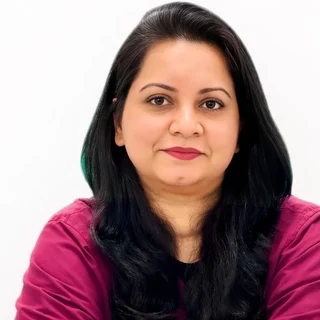
Medical reviewer
Dr. Saima Waris
MBBS · FCPS (Plastic Surgery) · PMDC 47804-P
Plastic and cosmetic surgeon in Lahore. Articles in this patient-education library are medically reviewed for clinical accuracy, limitations and patient safety.
View Dr. Saima’s profile