
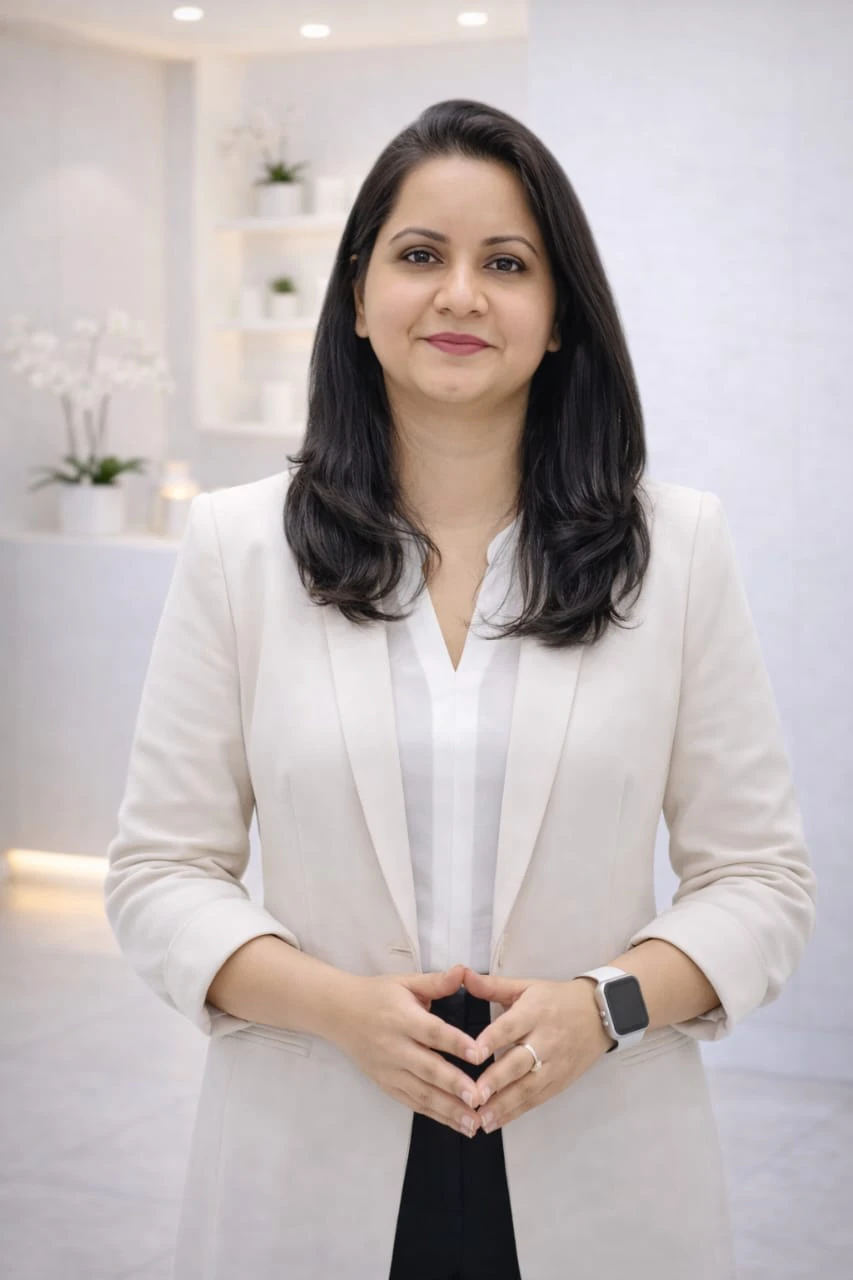
Quick Summary:
Start with independent verification, not social-media popularity. Search the PMDC practitioners register for the doctor’s current licence status and registered qualifications, then assess relevant procedure experience, the named operating facility, anaesthesia responsibility, informed consent, aftercare and an itemised quote. No credential or photograph can guarantee a result, but a transparent process helps you identify avoidable risk and compare consultations fairly.
A safe shortlist combines PMDC verification with procedure planning, facility and anaesthesia questions, informed consent and written aftercare.
Choosing a surgeon is not a search for one magic badge. It is a sequence of checks that should still make sense after the social-media post, sales call and discounted package are removed. Pakistan has an official medical register, but registration is only the first gate. The patient must then understand the proposed operation, who will provide anaesthesia, where it will happen, what could go wrong and how care continues afterwards.
A useful shortlist is small enough to compare carefully. Use the same written questions with each surgeon and keep the answers, quotation and consent information. The aim is not to identify a risk-free operation—none exists—but to avoid preventable uncertainty and make a decision that reflects your health, priorities and tolerance for scars, recovery and possible further treatment.
1. Verify the doctor through PMDC yourself
The Pakistan Medical and Dental Council provides an online practitioners register that can be searched by registration number, full name or father’s name. Its public search is designed to show licence validity and registered qualifications. Use it directly rather than relying on a cropped screenshot, clinic certificate or statement that a doctor is “internationally certified.”
Record the registration number and make sure the name matches the person who will examine, consent and operate on you. Dr. Saima’s client-supplied number is 47804-P, but patients should still check the live PMDC record before treatment because licence information can change. If a result is unclear, ask the clinic to explain and verify through the regulator rather than guessing.
2. Read the registered qualification, not the advertising label
Words such as cosmetic doctor, aesthetic surgeon and specialist can be used loosely online. The safer question is: which postgraduate qualification is registered, and how does it relate to the operation being proposed? In Pakistan, do not automatically copy the US expression “board-certified” onto local credentials. Ask for the exact qualification and awarding body in plain language.
Client records state that Dr. Saima completed MBBS through UHS in 2005 and FCPS Plastic Surgery through CPSP in 2023. That is transparent information a patient can compare with PMDC. A qualification still does not guarantee a particular result; it establishes a basis for the next discussion about the procedure, facility, judgement and follow-up.
3. Ask about experience relevant to your operation
“How many surgeries have you done?” can produce an impressive but unhelpful number. Ask how the surgeon evaluates the specific problem, which versions of the operation they perform, what commonly changes the plan, which patients they decline and how complications are handled. Someone considering rhinoplasty needs an airway and structural discussion; a tummy-tuck patient needs abdominal wall, wound and clot-risk planning; a hair-transplant patient needs diagnosis and donor assessment.
Do not demand a success percentage without a definition, follow-up period and denominator. Outcomes differ in anatomy, goals and risk. A more informative answer explains limitations, common revision reasons and how the surgeon would respond if healing does not follow the expected course.
4. Judge the consultation before judging the result
A proper consultation should allow enough time for goals, health, medicines, allergies, nicotine, previous operations, pregnancy plans where relevant and psychological expectations. Examination should connect visible concerns with anatomy. The surgeon should be able to say that observation, medical treatment, a smaller procedure or another specialist is more appropriate.
Pressure is not informed decision-making. Be cautious when surgery is offered from a photograph alone, the procedure changes during a sales chat, questions are treated as disloyal, or a deposit expires before you can read the consent. Elective surgery permits time to think and obtain another opinion.
5. Identify the facility and anaesthesia team
The clinic where you meet the surgeon may not be the operating facility. Ask for the exact site, whether the operation is day surgery or may require admission, who provides anaesthesia and which monitoring, recovery and emergency arrangements are available. The answer should be appropriate to the procedure and your health rather than one generic facility claim.
The World Health Organization’s surgical-safety work emphasises team communication and checks at critical points around anaesthesia, incision and transfer from the operating room. Patients do not need to audit an operating theatre themselves, but they can ask whether a formal surgical-safety checklist is used, how identity and procedure are confirmed, and who has responsibility after discharge.
6. Read consent as a decision tool
Consent is more than a signature. It should describe the proposed operation, meaningful alternatives—including no treatment—important and patient-specific risks, scars, recovery, uncertainty and the possibility of additional surgery. If implants, threads, fillers or another product are involved, ask for the exact product, traceability and patient information.
The consent should match the quotation and the conversation. If “tummy tuck” in the quote includes muscle repair but the consent does not, or “facelift” does not state whether the neck is included, pause for clarification. Never sign blank spaces or a document you cannot understand; ask for language and time that support a real decision.
7. Use before-and-after photographs carefully
Photographs can show a surgeon’s communication style and selected examples, but they are not an outcome forecast. Look for consistent lighting, distance, pose and time after surgery. Ask whether images are of that surgeon’s patients and used with consent. A dramatic change in one person with different anatomy may not be relevant to you.
Study starting points, scars and ordinary views rather than only the most flattering angle. The transformation gallery can support a consultation, but the surgeon should still explain which aspects of your goal are realistic and which will remain unchanged.
Compare the whole plan, not one claim
| Decision area | Evidence to request | What it cannot prove |
|---|---|---|
| Credentials | Live PMDC status and registered qualifications | A guaranteed outcome |
| Procedure | Diagnosis, exact scope, alternatives and limitations | That the largest operation is best |
| Facility | Named site, anaesthesia provider and emergency pathway | Zero anaesthetic or surgical risk |
| Results | Consented, comparable, standardised photographs | Your future appearance |
| Cost | Dated itemised quote and written policies | Quality from price alone |
| Aftercare | Review schedule, warning signs and contact route | That complications cannot occur |
8. Request an itemised current quote
A complete surgical quote may include surgeon, facility, anaesthesia, tests, implants or devices, garments, medicines and scheduled follow-up. Ask what is excluded, when a deposit is refundable, what happens if medical assessment postpones surgery and which costs apply if an unplanned review or revision is needed. Travel and time away from work are also real patient costs.
The client supplied a consultation fee of PKR 3,000, subject to confirmation. No operation price is invented here. A lower quote may simply cover less; a higher quote may include more resources but is not proof of a better result. Compare like with like.
9. Evaluate the aftercare before surgery
Ask who answers urgent concerns, where you will be examined after hours, which early reviews must occur in person and how care works if you live outside Lahore. A routine WhatsApp channel can help with appointments and photographs, but it should not be the only plan for heavy bleeding, breathing difficulty, rapidly increasing swelling or another emergency.
For travelling patients, the return date should follow clinical milestones. Confirm companion needs, flexible accommodation and the nearest emergency pathway. If the clinic cannot explain follow-up until after payment, you do not yet have a complete treatment plan.
Red flags that justify a pause
- The operating doctor or PMDC registration number is unclear.
- The title sounds impressive but the registered qualification is not shown.
- A result, graft survival, scar or recovery date is guaranteed.
- The operation is offered without adequate history or examination.
- Facility, anaesthesia and emergency responsibilities remain unnamed.
- Risks are dismissed as something that happens only to other surgeons.
- A deposit deadline prevents informed reading or a second opinion.
- Aftercare ends when the patient leaves the clinic or city.
A seven-question shortlist
- Can I independently verify your current PMDC registration and qualifications?
- What diagnosis and procedure scope apply to me, and what alternatives exist?
- Which result limitations and important risks are specific to my anatomy or health?
- Where will surgery happen and who is responsible for anaesthesia?
- Which photographs, products and case claims can be verified?
- What is included and excluded in the dated quote?
- Who provides follow-up and urgent assessment if I return to another city?
A surgeon who answers carefully may still advise against surgery. That is not a failed consultation; it can be evidence that diagnosis and patient safety are taking priority over a booking.
Practice context supplied by Dr. Saima: Client-supplied records identify Dr. Saima Waris as MBBS (UHS, 2005), FCPS Plastic Surgery (CPSP, 2023), PMDC registration 47804-P and more than 10 years in independent practice. Patients should independently confirm current licence status and registered qualifications through the PMDC practitioners register. These facts do not guarantee suitability or outcome, and this article deliberately avoids ‘best’ or ‘number one’ claims.
Frequently asked questions
How do I verify a plastic surgeon in Pakistan?
Use the official PMDC practitioners register and search by registration number or full name. Review current licence status and registered qualifications, then confirm that the person you meet and the name on the consent, receipt and facility record match. A social profile or clinic badge is not independent verification.
Does PMDC registration prove that a surgeon is right for my procedure?
No. Registration is a necessary verification step, not a guarantee of procedure-specific judgement or outcome. Ask about the surgeon’s registered postgraduate qualification, relevant experience, approach to your anatomy, complication management and follow-up, and compare the explanation with another opinion if uncertain.
What is the difference between a cosmetic surgeon and a plastic surgeon?
Labels can be used inconsistently in advertising. Rather than relying on a title alone, check the doctor’s PMDC record and registered postgraduate qualifications, then ask what training and experience apply to the exact operation. The written clinical and facility plan matters more than a promotional label.
Should I choose a surgeon from before-and-after photographs?
Photographs can help you discuss style and see whether results are presented consistently, but they are selected cases and cannot predict your result. Confirm consent and similar starting anatomy where possible, look for standard lighting and views, and never let images replace risk, facility and aftercare questions.
What facility and anaesthesia questions should I ask?
Ask where surgery will occur, who is responsible for anaesthesia, what monitoring and emergency arrangements are available, whether admission might be needed, and who to contact after hours. The answers should match the procedure, your health and the consent—not be left until the operation day.
Is the cheapest or most expensive surgeon safer?
Price alone does not establish safety or quality. A complete quote should identify surgeon, facility, anaesthesia, tests, implants or devices, garments, medicines, reviews and policies for postponement or complications. Compare the same scope; investigate unexplained omissions or pressure-based discounts.
Which surgeon-selection red flags should make me pause?
Pause if registration cannot be verified, the operating surgeon is unclear, an outcome is guaranteed, risks are dismissed, surgery is offered without adequate history or examination, the facility or anaesthesia provider is unnamed, or payment pressure comes before consent and an aftercare plan.
Turn an online question into a personal surgical assessment
Tell the clinic the procedure or concern, your city, health conditions, medicines, nicotine use, previous surgery and preferred timing. Ask for the doctor’s PMDC number, the proposed diagnosis and alternatives, the named facility and anaesthesia plan, important risks, likely review schedule and a current itemised quote before paying a surgical deposit.
Related reading and next steps
- Plastic surgery cost in Pakistan
- What to expect from your first consultation
- Travelling to Lahore for plastic surgery
- Explore Dr. Saima’s services
- View Dr. Saima’s transformation gallery
- Contact the clinic
- Read about Dr. Saima Waris
- About Dr. Saima Waris
- Planning treatment travel to Lahore
Sources and evidence
Medical and regulatory claims were checked against the following professional, government or peer-reviewed sources.
- Pakistan Medical and Dental Council: official practitioners register
- World Health Organization: Surgical Safety Checklist tools
- International Society of Aesthetic Plastic Surgery: medical-tourism patient safety
- American Society of Plastic Surgeons: patient safety
- Google Search Central: helpful, reliable, people-first content
Consultations in Lahore
Two clinic locations, one practice team.
Call or WhatsApp before travelling to confirm the appropriate clinic and current appointment availability.
Medical reviewer
Dr. Saima Waris
MBBS · FCPS (Plastic Surgery) · PMDC 47804-P
Plastic and cosmetic surgeon in Lahore. Articles in this patient-education library are medically reviewed for clinical accuracy, limitations and patient safety.
View Dr. Saima’s profile