
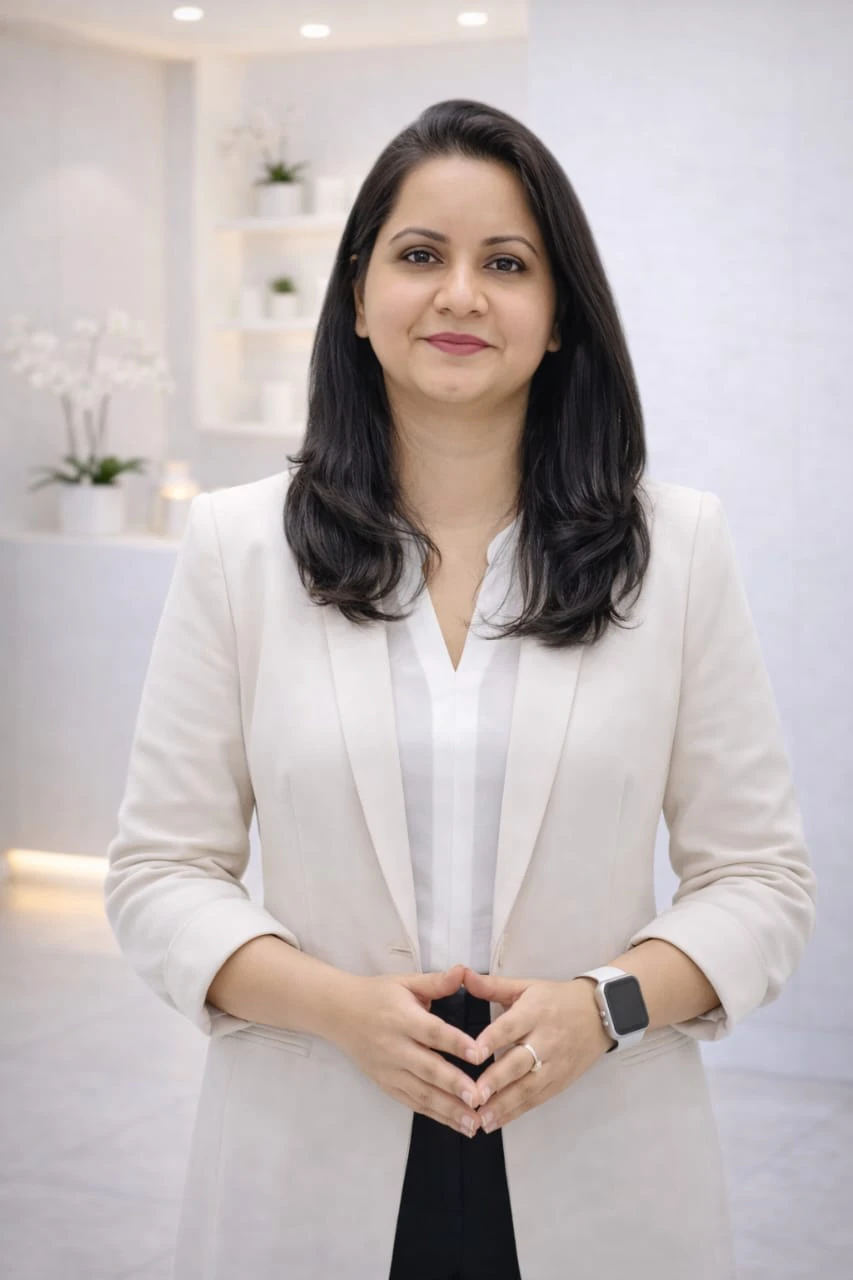
Quick Summary:
Preferring a female plastic surgeon is a valid personal choice, especially when comfort, privacy, cultural expectations or a sensitive examination matters. The preference should be used alongside—not instead of—PMDC verification, registered qualifications, relevant procedure planning, facility and anaesthesia safety, informed consent and dependable follow-up. A respectful consultation explains why an examination or photograph is needed, protects privacy and lets you pause or decline.
Comfort and privacy matter, while credentials, procedure planning, facility safety and aftercare remain essential booking checks.
Many women begin their search with a simple preference: “I want to speak with a female plastic surgeon.” That preference may reflect privacy, faith, family expectations, a previous healthcare experience or comfort discussing a breast, body, hair or intimate concern. It deserves respect without being turned into a marketing shortcut.
The useful question is not whether sex alone makes one surgeon better. It is whether the consultation combines comfort with independently verified credentials, a clear clinical plan, dignified examination, informed consent, a safe facility and dependable follow-up. A patient should not have to trade privacy for safety—or safety for privacy.
A female-surgeon preference is part of patient choice
Personal comfort can change how openly someone describes pain, asymmetry, pregnancy changes, sexual symptoms, scarring or goals. Better communication can support a more accurate assessment. Some patients also prefer female staff or a chaperone for examination, while others want a trusted spouse, sibling or friend present for the discussion.
No woman owes a clinic an explanation for the preference. At the same time, sex does not establish training, technical skill or judgement. Use the preference to create a shortlist, then apply the same safety checks that would be used for any surgeon.
Verify credentials and relevant planning
Search the official PMDC register by name or registration number and review licence validity and registered qualifications. Client-supplied information identifies Dr. Saima Waris as MBBS (UHS, 2005), FCPS Plastic Surgery (CPSP, 2023), PMDC 47804-P and more than 10 years in independent practice. Patients should verify the live record rather than relying on this page alone.
Then ask how the qualification and experience connect with the proposed procedure. Breast augmentation, reduction, tummy tuck, labiaplasty, facelift and hair transplantation have different examinations, risks and aftercare. A long service list does not mean every patient is a candidate or that one technique is used for everyone.
What a respectful consultation should feel like
The surgeon should ask what bothers you, what outcome would be meaningful and which changes you do not want. Health, medicines, pregnancy or breastfeeding, nicotine, previous operations and relevant symptoms should be discussed without shame. The examination should have a stated purpose and be limited to what is clinically needed.
You should be able to ask for clarification, take time, seek another opinion and decline treatment. Humour, criticism of the body, assumptions about a spouse’s preference or pressure to combine more procedures undermines informed choice. The patient—not a family member or clinic salesperson—gives consent.
Chaperone, companion and privacy are different
A trained chaperone supports a professional examination and can observe what occurs. A companion provides personal support but may not have the same role. Ask the clinic what is available, whether you may bring someone and how privacy is protected. There may be moments when private conversation with the clinician is useful, particularly if the patient feels pressured by another person.
International professional guidance recommends explaining why an intimate examination is needed, what it will involve, offering an appropriate chaperone and allowing the patient to stop. Local clinic policy and Pakistani requirements must be confirmed, but the underlying principles of dignity, consent and documentation remain useful.
Control the use of clinical photographs
Photographs can help document a starting point, plan surgery and compare healing. That clinical purpose is separate from marketing. Ask which views are required, what clothing or draping is used, who takes the image, where it is stored, who can access it and whether any use outside your medical record needs separate permission.
Do not send intimate images to an unverified number because a social-media account asked. Confirm the clinic’s approved channel and the recipient’s identity. Consent to clinical photography should not be treated as automatic consent for a website, presentation or social post.
Sensitive procedures need more—not less—clinical clarity
Breast and intimate concerns may involve pain, a lump, discharge, infection, urinary or sexual symptoms, pregnancy changes or another issue that is not purely cosmetic. A plastic-surgery consultation should not bypass appropriate medical, breast, gynaecological or diagnostic assessment when symptoms require it.
For labiaplasty, vaginoplasty or hymenoplasty discussions, ask which concern the procedure is expected to address, what normal variation means, scars and sensation risks, recovery, alternatives and limitations. No clinic should use fear, shame, marriage pressure or claims of restored “proof” to force a decision.
Questions change with the procedure
| Concern | Useful examination focus | Decision that cannot come from a label |
|---|---|---|
| Breast size or position | Skin, nipple position, tissue, symptoms and screening history | Lift, reduction, implant, fat transfer or observation |
| Post-pregnancy abdomen | Skin, fat, muscle separation, scars and possible hernia | Liposuction, tummy tuck, combined or no surgery |
| Intimate concern | Symptoms, anatomy, expectations and appropriate referral | Whether surgery is indicated or will meet the goal |
| Hair loss | Pattern, scalp disease, donor stability and medical causes | Medical treatment, transplant, observation or referral |
| Face or nose | Structure, skin, movement, airway and prior treatment | Exact technique and achievable degree of change |
Family involvement should support—not replace—autonomy
A patient may want a spouse or relative involved in costs, travel or recovery. That can be helpful, especially when a responsible adult is needed after anaesthesia. But the surgeon should confirm that the patient understands and wants the procedure without coercion. Private questions should be possible.
If another person controls the conversation, insists on a particular body change or refuses to let the patient read consent, the appointment should slow down. Elective surgery is not urgent. A pause is appropriate when the patient’s own goal is unclear.
Ask who will be present on the treatment day
Comfort with the surgeon does not answer who provides anaesthesia, nursing, photography, preparation and recovery care. Ask for the named facility, the team’s roles, privacy arrangements and whether male staff may be involved. Preferences can be discussed early, but the clinic must also explain what staffing is clinically necessary and realistically available.
Confirm discharge and after-hours contact, especially for patients travelling from another city. If a patient wants female-only care, the clinic should state what can and cannot be arranged before payment rather than promising on the day.
Using an online consultation for a private first discussion
A video or phone appointment may reduce the first travel burden and let the patient ask sensitive questions from home. It can review goals and history and explain whether in-person examination is likely. It cannot reliably replace palpation, measurements, internal or intimate examination, anaesthetic assessment or final consent when the procedure changes after examination.
Ask how identity is confirmed, whether the session is recorded, how notes and images are stored, and what not to send. Choose a private room and headphones if others should not hear. The patient can also decide to postpone photographs until an in-person visit.
Confirm the current Lahore location and appointment details
Client-supplied information lists Cosmetic Surgical Institute at 158-A Shahjamal Road, Fazlia Colony, and Pink Perfect Clinic at 439 Commercial Block J, DHA Phase 12. Supplied hours are Monday and Friday 5–7 pm at the first location, and Tuesday to Thursday 7–9 pm at the second. These details can change and must be confirmed when booking.
The supplied consultation fee is PKR 3,000, subject to confirmation, with cash and bank transfer listed. Ask which location is appropriate for consultation, whether the operation occurs elsewhere, who will attend, and whether urgent or same-day access is actually available.
Seven checks before booking
- Have I independently checked PMDC status and registered qualifications?
- Does the surgeon explain my anatomy, alternatives and limits without shame?
- Can I request privacy, a chaperone or a support person?
- Why are photographs or an intimate examination needed, and how are records protected?
- Who will provide surgery, anaesthesia, nursing and after-hours care?
- Are the procedure, scars, risks, recovery and price documented?
- Do I feel free to pause, decline or obtain another opinion?
A strong consultation protects both dignity and medical safety. Feeling heard is important; being given honest limits, adequate consent and a workable aftercare plan is equally important.
Practice context supplied by Dr. Saima: Client-supplied records identify Dr. Saima Waris as a female Plastic and Cosmetic Surgeon in Lahore with MBBS (UHS, 2005), FCPS Plastic Surgery (CPSP, 2023), PMDC registration 47804-P and more than 10 years in independent practice. Patients should verify her current PMDC record. The client supplied two Lahore consultation locations and hours, which should be reconfirmed when booking.
Frequently asked questions
Is it reasonable to prefer a female plastic surgeon?
Yes. Some patients feel more comfortable discussing breast, body, hair or intimate concerns with a woman surgeon for personal, cultural or privacy reasons. The preference is valid, but it should remain part of a wider decision that includes verified qualifications, judgement, facility safety and aftercare.
Is a female surgeon automatically better for women?
No. A surgeon’s sex does not guarantee competence, communication, empathy or outcome. Compare the same clinical questions with every surgeon: PMDC record, registered qualification, relevant planning, alternatives, risks, facility, anaesthesia, consent and follow-up.
Can I request a chaperone or bring a support person?
You can ask what the clinic can arrange and whether a trusted adult may attend the discussion. A formal chaperone has a defined role and is not identical to a companion. Privacy, clinic policy and the patient’s preferences should be discussed before an examination.
Do I have to agree to photographs during consultation?
No photograph should be taken without an explanation and consent. Ask why it is clinically needed, which areas and views are required, who can access it, how it is stored, whether it may be used for teaching or marketing, and how you can refuse optional uses.
How should intimate examinations be handled?
The clinician should explain why the examination is needed, what it involves, who will be present and how privacy will be protected. You should be able to ask questions, request an appropriate chaperone where available, pause or stop, and decline an elective procedure without pressure.
Can sensitive body concerns be assessed only through WhatsApp photos?
Photographs may support preliminary discussion, but they may not show tissue quality, muscle separation, lumps, scars or other findings that need examination. Use only a clinic-approved secure process; do not send intimate images to an unverified personal account or when the purpose and storage are unclear.
Where does Dr. Saima consult in Lahore?
Client-supplied information lists Cosmetic Surgical Institute, 158-A Shahjamal Road, and Pink Perfect Clinic, 439 Commercial Block J, DHA Phase 12. Supplied clinic days and hours may change, so confirm the current location, timing, fee and who will be present when booking.
Turn an online question into a personal surgical assessment
When booking, state whether you prefer an in-person or preliminary online consultation, a female staff member or support person present, and any privacy concern. Bring your goals, medical history and previous records. Ask what examination is necessary, how images are stored, who will be present and when an in-person assessment is required.
Related reading and next steps
- How to choose a plastic surgeon in Pakistan
- First aesthetic consultation walkthrough
- Online plastic surgery consultation in Pakistan
- Breast surgery services
- Female intimate surgery service
- Mommy makeover service
- View Dr. Saima’s transformation gallery
- About Dr. Saima Waris
- Planning treatment travel to Lahore
Sources and evidence
Medical and regulatory claims were checked against the following professional, government or peer-reviewed sources.
- Pakistan Medical and Dental Council: official practitioners register
- World Health Organization: Surgical Safety Checklist tools
- GMC: intimate examinations and chaperones — international professional benchmark
- GMC: remote consultations and image privacy — international professional benchmark
- International Society of Aesthetic Plastic Surgery: patient safety
Consultations in Lahore
Two clinic locations, one practice team.
Call or WhatsApp before travelling to confirm the appropriate clinic and current appointment availability.

Medical reviewer
Dr. Saima Waris
MBBS · FCPS (Plastic Surgery) · PMDC 47804-P
Plastic and cosmetic surgeon in Lahore. Articles in this patient-education library are medically reviewed for clinical accuracy, limitations and patient safety.
View Dr. Saima’s profile