
Quick Summary:
Eyebrow transplantation moves individual follicles, usually from a carefully selected scalp donor area, into a conservatively drawn brow. Success depends on more than density: head, body and tail hairs change direction, cross and lie very close to the skin, so angle and curl matter. Donor hair may keep scalp-like growth and require lifelong trimming. Active scarring or inflammatory hair loss should be controlled and diagnosed first. Growth is gradual over many months, some grafts may not grow, and perfect symmetry or a maintenance-free result cannot be promised.
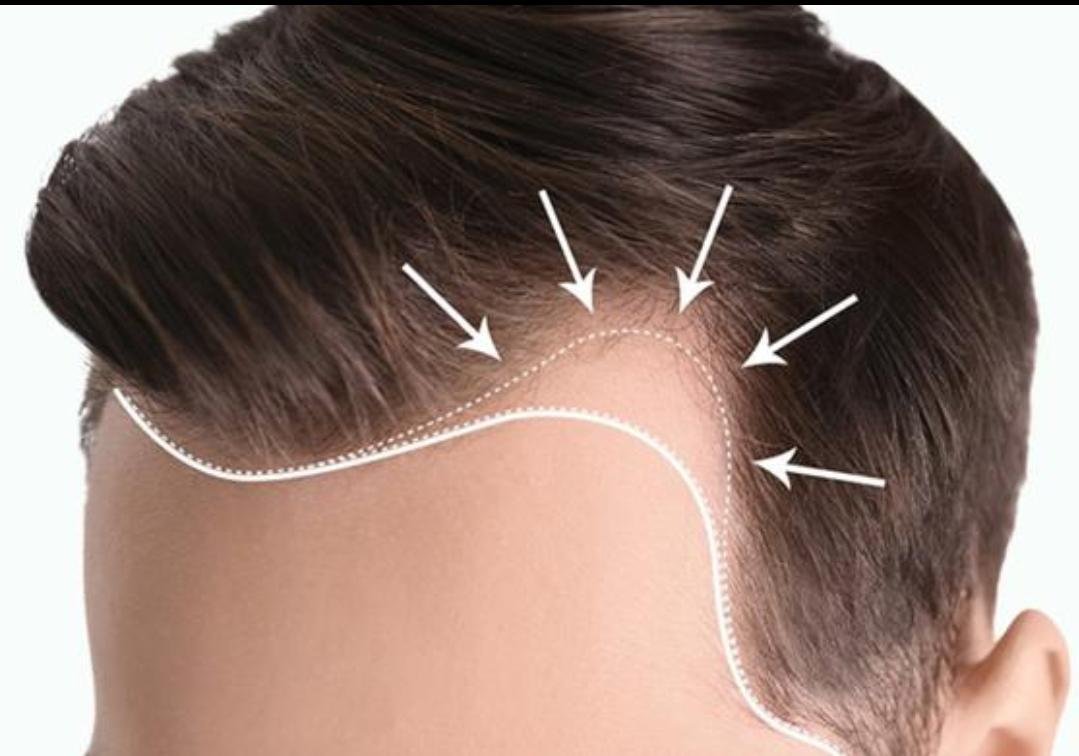
Brow hairs change direction from head to tail and lie close to the skin; a conservative shape and donor-hair match protect a natural result.
Eyebrow transplantation works on one of the face’s smallest treatment areas, yet a few wrongly directed hairs can be more noticeable than a larger area of low density on the scalp. Natural brow hairs lie very close to the skin, change direction from head to tail and interact with expression. Shape is therefore as much a functional and anatomical decision as an aesthetic drawing.
Before surgery, the cause of thinning must be considered. Moving follicles into skin with active inflammation or ongoing scarring disease can lead to poor growth and further loss.
Find the cause before designing the arch
Eyebrow loss can follow overplucking, trauma, burns, surgery, ageing, thyroid or autoimmune conditions, alopecia areata, inflammatory or scarring disorders and other medical causes. A stable old scar differs from a painful, scaling or actively enlarging smooth patch.
History should include speed of loss, scalp and body-hair change, itch or pain, health, medicines, previous tattoo or microblading and family pattern. Examination may lead to dermatology or medical assessment. A transplant should not be used to camouflage an undiagnosed active condition.
A conservative shape is easier to live with
The brow head, body, arch and tail should relate to the bony rim, eyes, nose, forehead, existing hairs and facial movement. Fashionable high arches or blocky fronts can date quickly. Perfect mathematical symmetry may also look unnatural because faces are not mirror images.
Draw the shape with the patient sitting upright and review it without make-up from several distances. Consider how it will look if soft tissues descend with age. Removing unwanted transplanted hairs later is possible only with additional treatment and potential skin or pigment effects.
Direction changes across a normal brow
At the inner head, hairs may point upward and fan. Through the body they cross and lie more horizontally; toward the tail they narrow and change direction. Recipient sites should be extremely shallow and follow these transitions. A row of upright hairs can look bristly even at low density.
Curl matters too. The direction beneath the skin may cause a shaft to lift away from the face. The surgeon should select donor follicles and orient them with expected curl in mind. Growth alone is not a successful endpoint if the hair points incorrectly.
Donor hair keeps donor behaviour
Scalp follicles are often chosen for calibre and availability. Once moved, they can continue to grow more like scalp hair than native brow hair: longer, faster and sometimes coarser. Regular trimming may be required indefinitely, and some hairs need training with grooming products.
Fine hair from a suitable donor area may blend better, but the donor must also be stable and harvested without visible thinning. FUE creates small round scars; a limited FUT approach creates a linear scar. Ask which follicles are chosen and how the donor looks with your usual hairstyle.
Plan the brow as four zones
| Zone | Natural planning principle | Problem if ignored |
|---|---|---|
| Head | Soft density and fanning direction | Block-like inner edge |
| Body | Crossing, shallow hairs that build coverage | Upright or parallel rows |
| Arch | Conservative height matched to bone and expression | Surprised or artificial shape |
| Tail | Tapering density and precise horizontal direction | Heavy, low or blunt tail |
| Whole brow | Related but not mechanically identical sides | Overcorrection in pursuit of perfect symmetry |
Microblading, tattoo and previous procedures
Pigment can remain outside a new hair design, change colour or mask skin scarring. Bring dates, products and photographs if available. The surgeon should decide whether to work within, around or after treatment of pigment. Laser or chemical removal is a separate procedure with risks and timing.
Previous grafts may have wrong direction or wide spacing. Adding density does not automatically correct misdirected hairs and can make the area crowded. A revision plan may include grooming, removal or camouflage and deserves more conservative expectations.
How eyebrow grafting is performed
The approved design is marked, donor follicles are harvested and often divided or selected to favour single-hair units. Recipient sites are created at shallow changing angles, and grafts are placed with attention to curl. The operation may take hours despite the small area because each direction matters.
Ask who designs the brow, harvests follicles, creates recipient sites and places grafts. “DHI” or an implanter device does not guarantee angle or growth. The final record should state how many grafts were placed in each brow, not merely a package total.
Recovery and growth timeline
Early redness, swelling, crusts and a dark dotted appearance can be conspicuous. Do not pick, rub, apply make-up or use brow products until cleared. Eyelid swelling may occur. Washing and sleep instructions should come from the operating team.
Transplanted shafts may shed during the following weeks. Early growth is gradual over months, and hairs can look fine, irregular or misdirected while they lengthen. Calibre and coverage may mature for a year or longer. Trimming begins only when advised; pulling a growing hair is not the same as shortening it.
Risks and limits
Risks include bleeding, infection, cysts, folliculitis, cobblestoning, visible scars, poor growth, wrong direction, excessive density, asymmetry, donor thinning and continued loss from the original condition. Eyebrow-area anatomy also makes careful vascular and eye safety important.
No surgeon can guarantee every graft, perfect symmetry or a maintenance-free brow. A conservative first session may leave room for later density, while overpacking or aggressive design can be hard to undo.
Seek prompt or urgent assessment for increasing pain, spreading redness, pus, fever, uncontrolled bleeding, pale or dark skin, severe eye pain or visual change. Do not wait for a routine social-media reply when vision is affected.
Eyebrow-transplant cost in Pakistan
No fixed operation price was supplied. Cost varies with cause of loss, one or both brows, scar or revision work, graft estimate, donor method, operative time, surgeon and team, facility, medicines and reviews. A smaller area can still require meticulous work.
The client-supplied consultation fee is PKR 3,000, subject to confirmation. Ask whether diagnosis or dermatology evaluation, tattoo planning, postoperative review and possible second-stage density are separate. Travellers should include accommodation and flexibility for early checks.
Questions before approving the shape
- What caused the loss, and is the condition stable?
- How were head, body, arch and tail proportions chosen?
- How will direction and curl change across the brow?
- What donor hair is used and how often may it need trimming?
- How do tattoo pigment or previous grafts affect the plan?
- What growth range and warning signs should I expect?
- What is included in the quote and any staged treatment?
An eyebrow transplant should look believable during conversation, not only in a still photograph. Diagnosis, conservative design and millimetre-level direction are more important than maximum graft count.
Practice context supplied by Dr. Saima: Dr. Saima’s website lists eyebrow transplantation in Lahore. The client has not supplied a standard shape, graft count, donor method, growth guarantee, trimming schedule, recovery promise or operation fee. Dr. Saima must evaluate the cause of loss, recipient skin, previous tattoo or microblading and donor characteristics before designing or quoting a procedure.
Frequently asked questions
Does eyebrow-transplant hair need trimming?
Often yes. Hair generally retains characteristics of its donor site, so scalp-derived follicles may grow longer and faster than native brow hair. Regular trimming and sometimes grooming may be needed long term. The required frequency varies and should be accepted before surgery.
Can I choose any eyebrow shape?
A patient can express preferences, but skin, bone, facial movement, existing hairs, symmetry and future ageing limit safe design. An exaggerated high arch or dense block may be difficult to reverse. Conservative planning and a staged density discussion can reduce regret.
Why does hair direction matter so much?
Natural brow hairs lie at shallow angles and change orientation from the inner head through the body to the tail. Grafts placed too upright, too deep or in one uniform direction can look bristly or cross unnaturally even if they grow well.
Can alopecia areata or scarring alopecia be transplanted?
Active autoimmune, inflammatory or scarring disease can cause graft failure or further loss and needs diagnosis and stability assessment first. Some stable cases may later be considered with appropriate specialist input, but surgery should not be used to bypass active disease.
How does microblading affect planning?
Pigment can influence the apparent shape and may remain outside a new conservative design. Infection, scarring and pigment changes also matter. Bring dates and product information if available; tattoo removal or redesign should not be assumed to combine safely with transplantation.
When will an eyebrow transplant look final?
Crusts and redness settle much earlier than the hair result. Transplanted shafts may shed, early regrowth is gradual and calibre and direction can mature over many months. Growth may continue beyond a year in some patients, and not every graft can be promised.
How much does an eyebrow transplant cost in Pakistan?
Cost depends on cause of loss, one or both brows, scar work, graft estimate, donor method, operative time, surgeon and team, facility, medicines and reviews. No operation fee was supplied; the client-supplied consultation fee is PKR 3,000, subject to confirmation.
Turn an online question into a personal surgical assessment
Avoid changing the brow immediately before consultation if possible, and bring photographs showing its earlier natural shape. List overplucking, alopecia diagnoses, thyroid or autoimmune history, scalp and brow symptoms, tattoo or microblading pigment, previous transplant and keloid tendency. Discuss how the shape looks without make-up, during expression and if facial ageing changes later.
Related reading and next steps
- Female hair transplant in Pakistan
- FUE versus FUT versus DHI
- Hair-transplant recovery timeline
- Eyebrow transplantation service
- Hair transplantation service
- PRP hair service
- View Dr. Saima’s transformation gallery
- About Dr. Saima Waris
- Planning treatment travel to Lahore
Sources and evidence
Medical and regulatory claims were checked against the following professional, government or peer-reviewed sources.
Consultations in Lahore
Two clinic locations, one practice team.
Call or WhatsApp before travelling to confirm the appropriate clinic and current appointment availability.
Medical reviewer
Dr. Saima Waris
MBBS · FCPS (Plastic Surgery) · PMDC 47804-P
Plastic and cosmetic surgeon in Lahore. Articles in this patient-education library are medically reviewed for clinical accuracy, limitations and patient safety.
View Dr. Saima’s profile